
Boca Direct MD
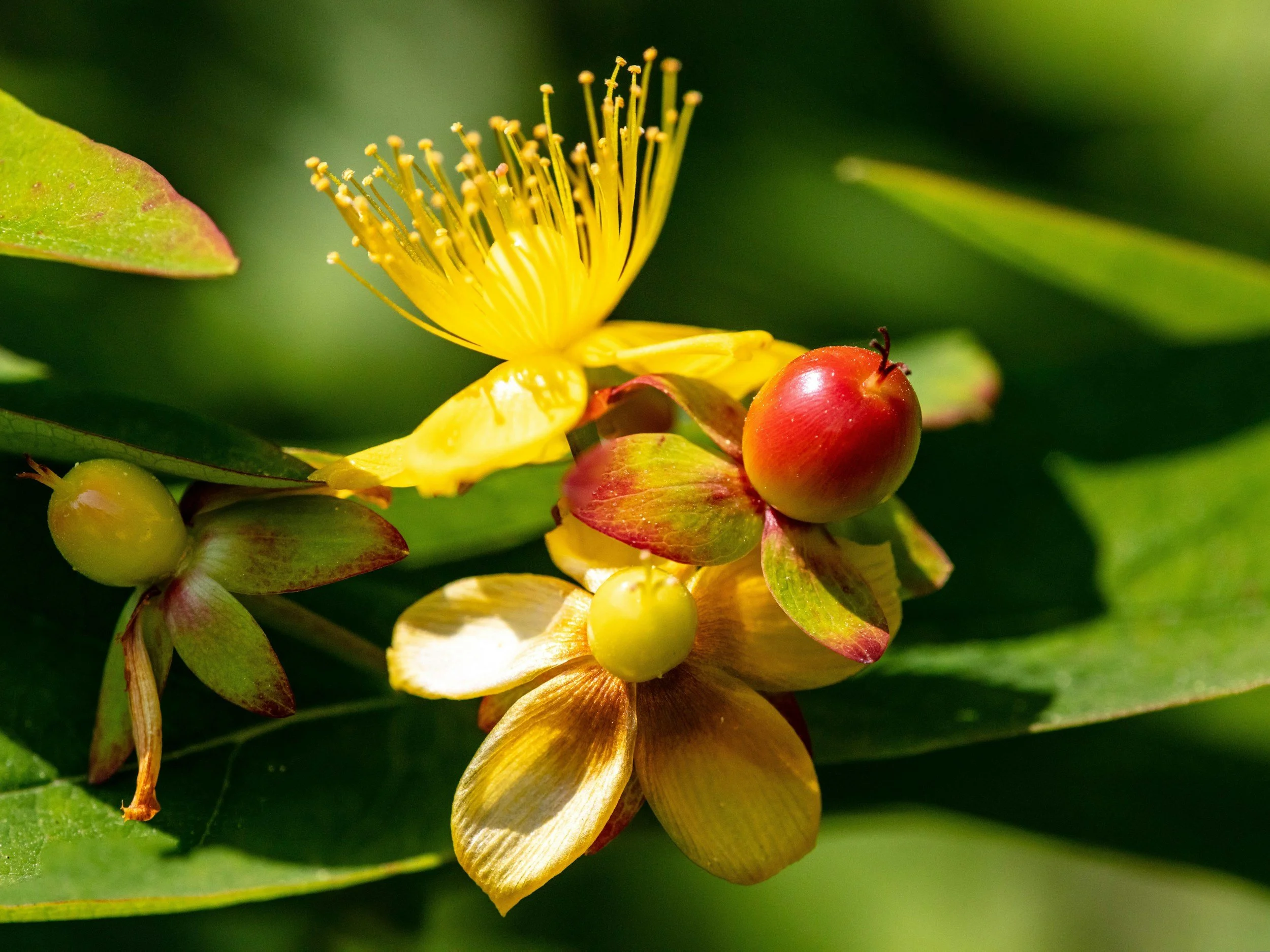
St. John’s Wort for Depression
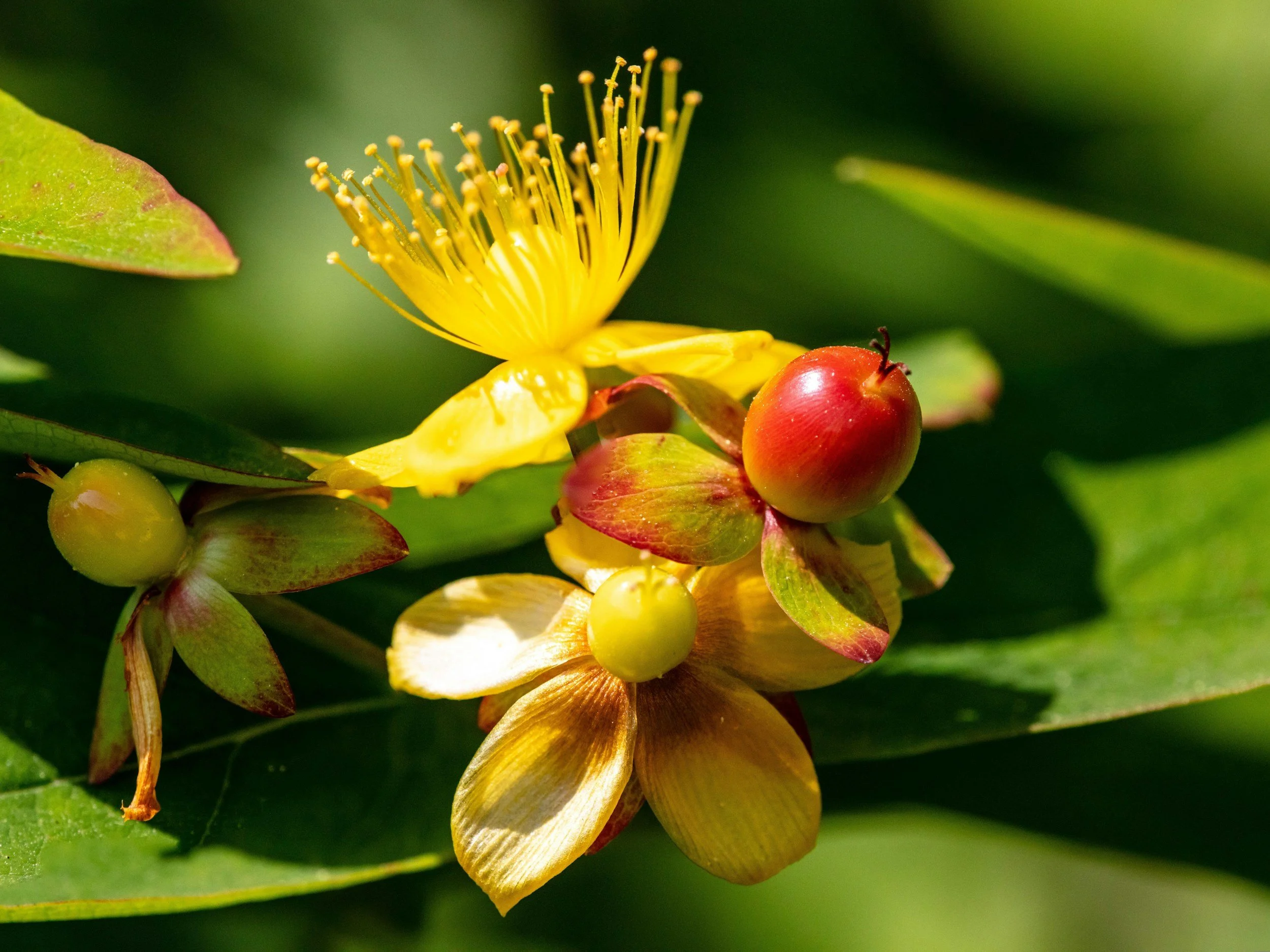
A 2008 study found that a standardized extract of 300mg of St. John’s wort three times daily significantly improved symptoms of depression and helped reduce relapse of a depressive episode compared to placebo over 26 weeks. St. John's Wort is a reuptake inhibitor of serotonin, dopamine, and norepinephrine. St. John’s wort can interact with many medications. St. John’s wort may cause increased sensitivity to sunlight, digestive or other side effects.
Kasper S, Volz HP, Möller HJ, Dienel A, Kieser M. Continuation and long-term maintenance treatment with Hypericum extract WS 5570 after recovery from an acute episode of moderate depression--a double-blind, randomized, placebo controlled long-term trial. Eur Neuropsychopharmacol. 2008 Nov;18(11):803-13. doi: 10.1016/j.euroneuro.2008.06.006. Epub 2008 Aug 9. PMID: 18694635.
Peterson B, Nguyen H. St. John's Wort. [Updated 2023 May 16]. In: StatPearls [Internet]. Treasure Island (FL): StatPearls Publishing; 2026 Jan-. Available from: https://www.ncbi.nlm.nih.gov/books/NBK557465/
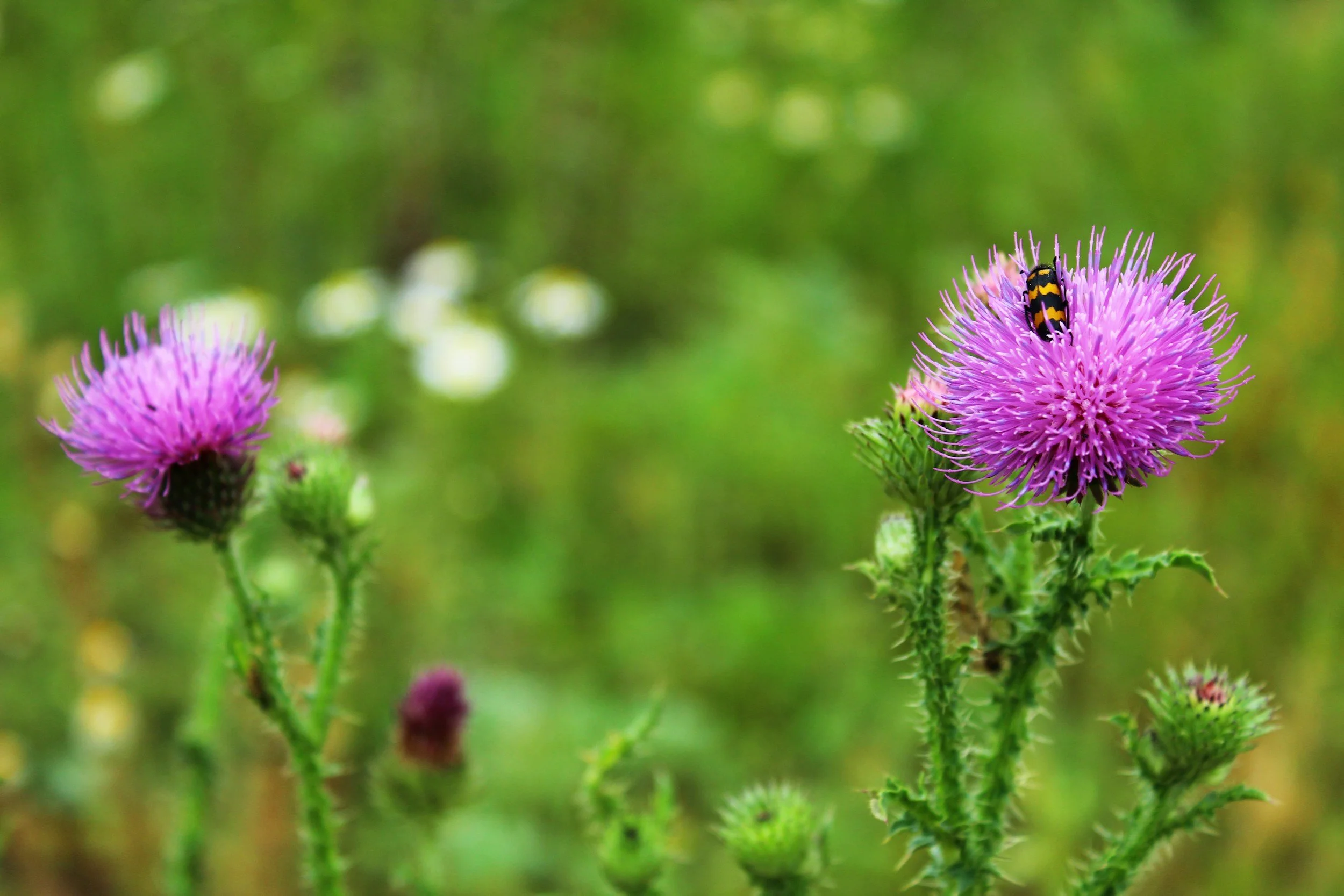
Milk Thistle for Liver Disease
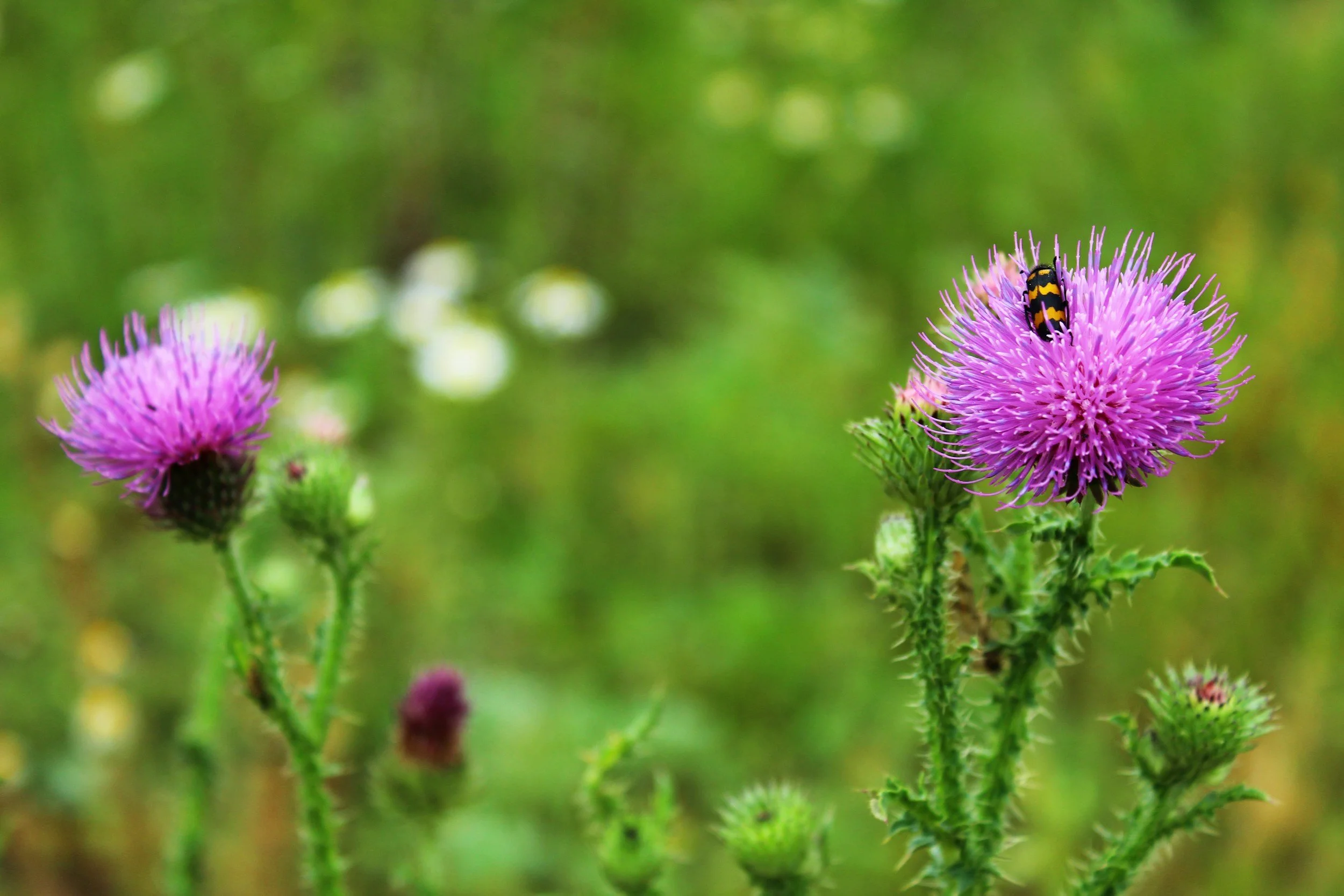
A 1989 study found that 140mg of silymarin, the active compound in milk thistle, three times daily significantly improved survival in people with liver disease (cirrhosis) compared to placebo over a 2 year treatment period. Participants were observed for a mean of 41 months. The trial included a mix of people with alcoholic and non-alcoholic liver disease. No side effects were observed but silymarin or milk thistle may cause digestive or other side effects.
Ferenci P, Dragosics B, Dittrich H, Frank H, Benda L, Lochs H, Meryn S, Base W, Schneider B. Randomized controlled trial of silymarin treatment in patients with cirrhosis of the liver. J Hepatol. 1989 Jul;9(1):105-13. doi: 10.1016/0168-8278(89)90083-4. PMID: 2671116.
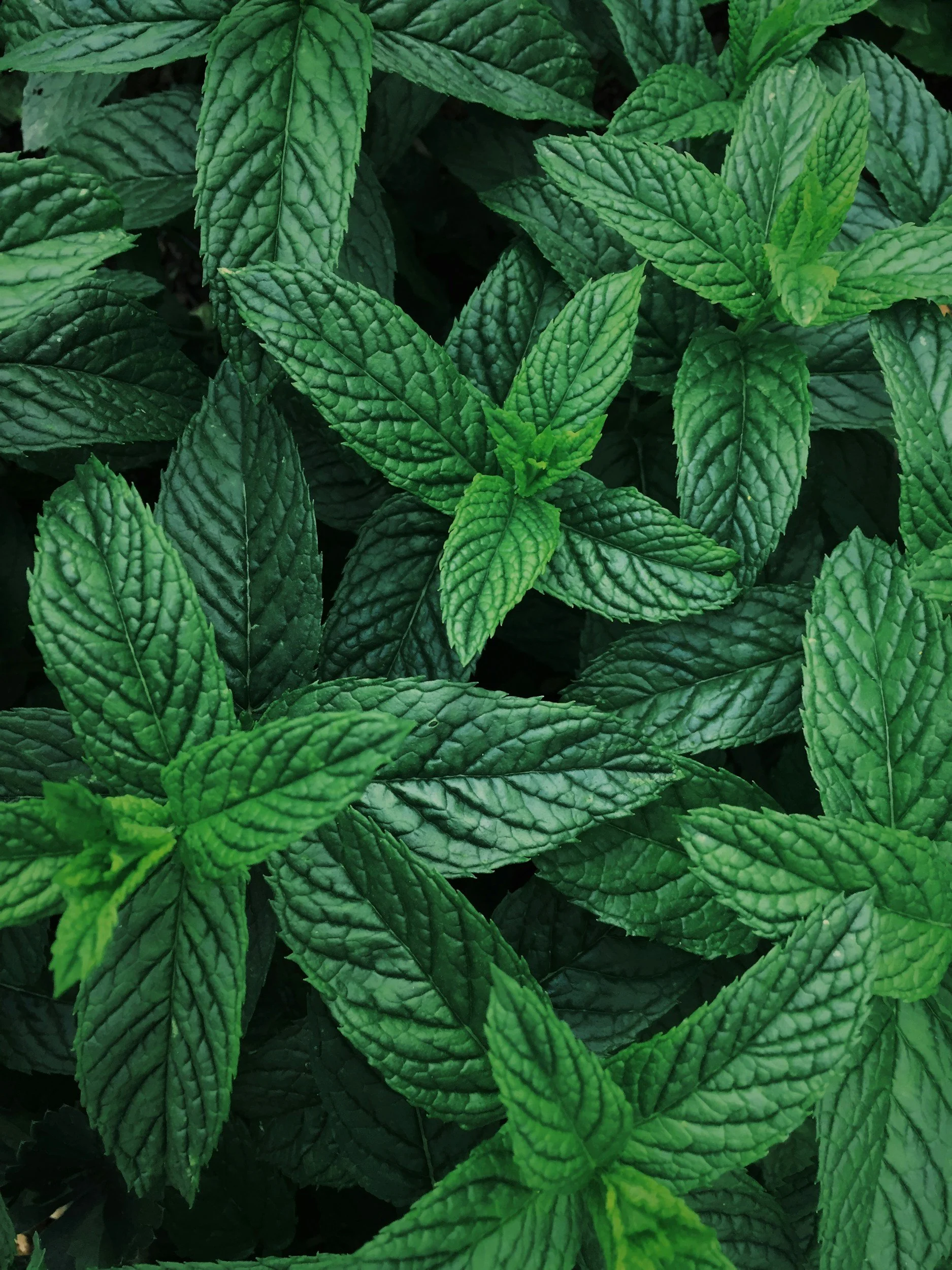
Peppermint for Irritable Bowel Syndrome
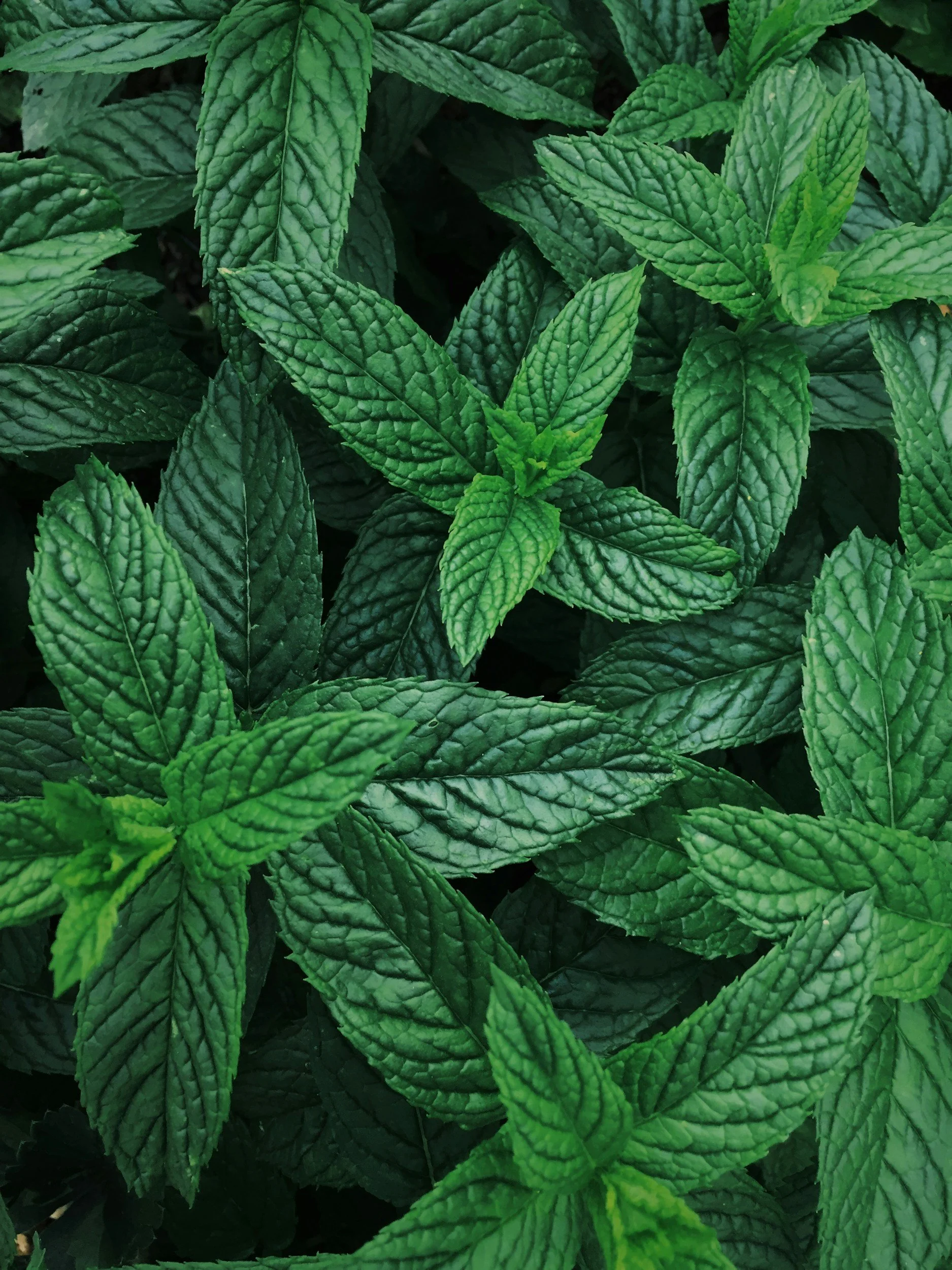
A 2015 study found that 180mg of peppermint oil three times daily significantly improved symptoms of irritable bowel syndrome compared to placebo over 4 weeks. Peppermint has been shown to inhibit smooth muscle (intestinal) contractions. Peppermint is also anti-inflammatory and helps reduce bloating. Peppermint may cause acid reflux or other side effects.
Cash BD, Epstein MS, Shah SM. A Novel Delivery System of Peppermint Oil Is an Effective Therapy for Irritable Bowel Syndrome Symptoms. Dig Dis Sci. 2016 Feb;61(2):560-71. doi: 10.1007/s10620-015-3858-7. Epub 2015 Aug 29. PMID: 26319955; PMCID: PMC4729798.
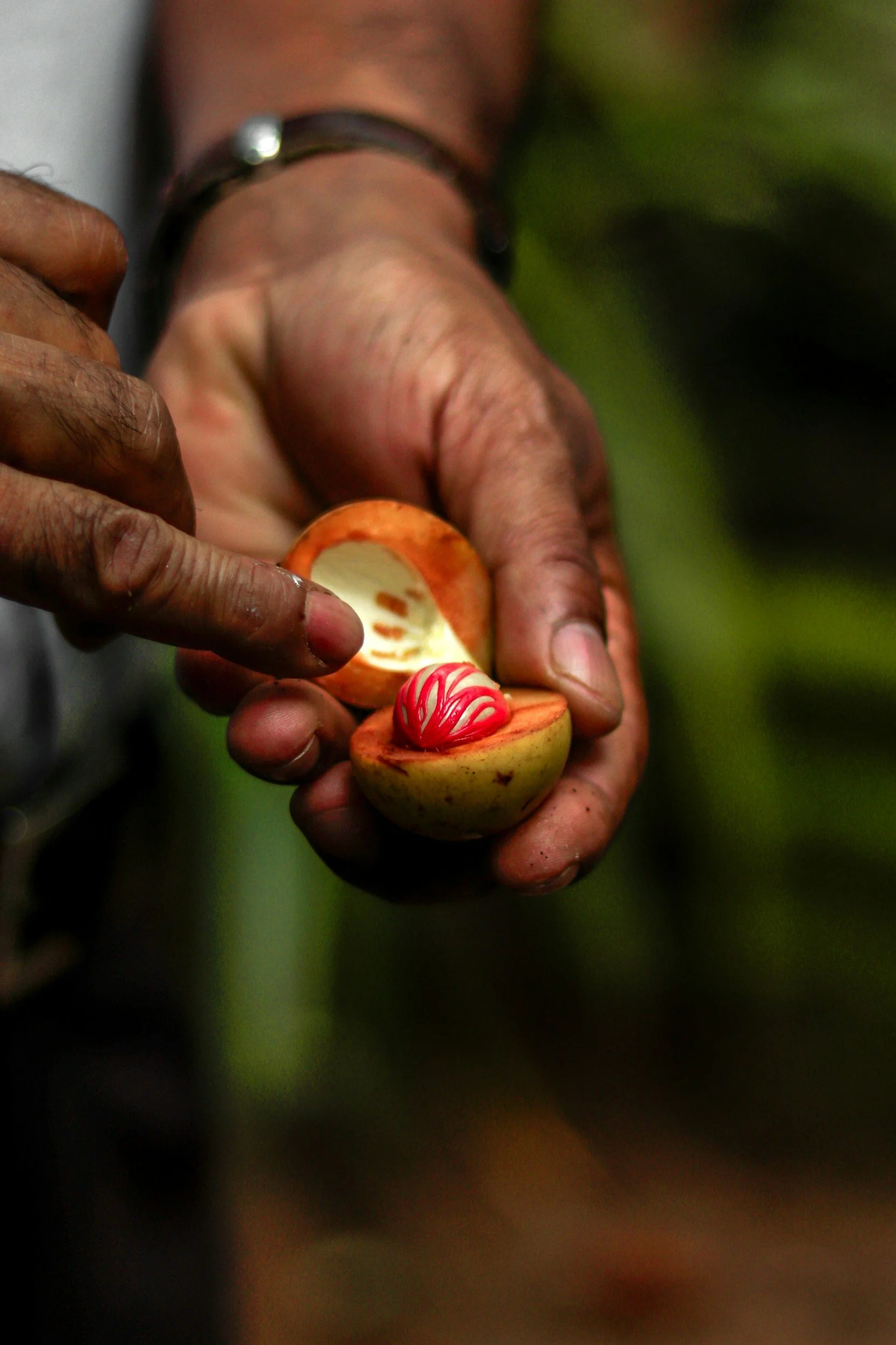
Mace Spice for Urinary Incontinence
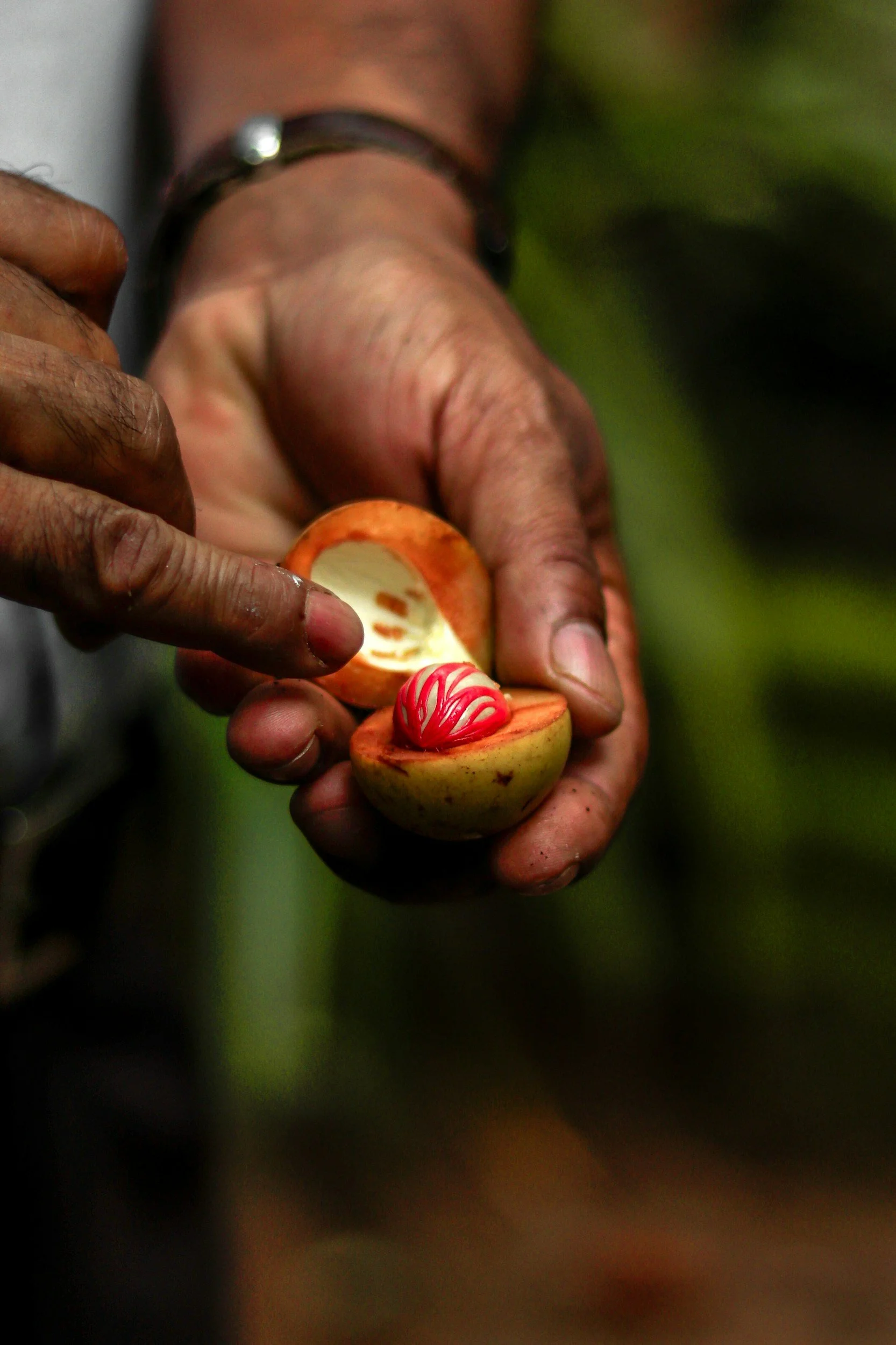
A 2018 study found that 1.5g of mace, a spice made from the arils of the same plant as nutmeg, twice daily significantly improved mixed urinary incontinence compared to placebo over 3 months in women. Pelvic floor physical therapy was included in both groups. It is thought that mace may increase urethral muscle tone by blocking serotonin and norepinephrine reuptake in the sacral spinal cord. High doses and excessive use can cause coma or other serious toxic effects, especially in children.
Najeeya AGF, Sultana A. Efficacy of mace (Arils of Myristica fragrans Houtt) plus PFMT on symptoms in mixed urinary incontinence: a randomized placebo-controlled trial. Integr Med Res. 2018 Dec;7(4):307-315. doi: 10.1016/j.imr.2018.10.001. Epub 2018 Oct 26. PMID: 30519527; PMCID: PMC6260249.
Imtiaz A, Almutairy BM, Almutairi TM, Aloufi MM, Almutairi AH. Mace Poisoning: Accidental Toxic Ingestion in a Child Leading to a Reversible Coma. Cureus. 2024 Dec 23;16(12):e76284. doi: 10.7759/cureus.76284. PMID: 39850188; PMCID: PMC11754422.
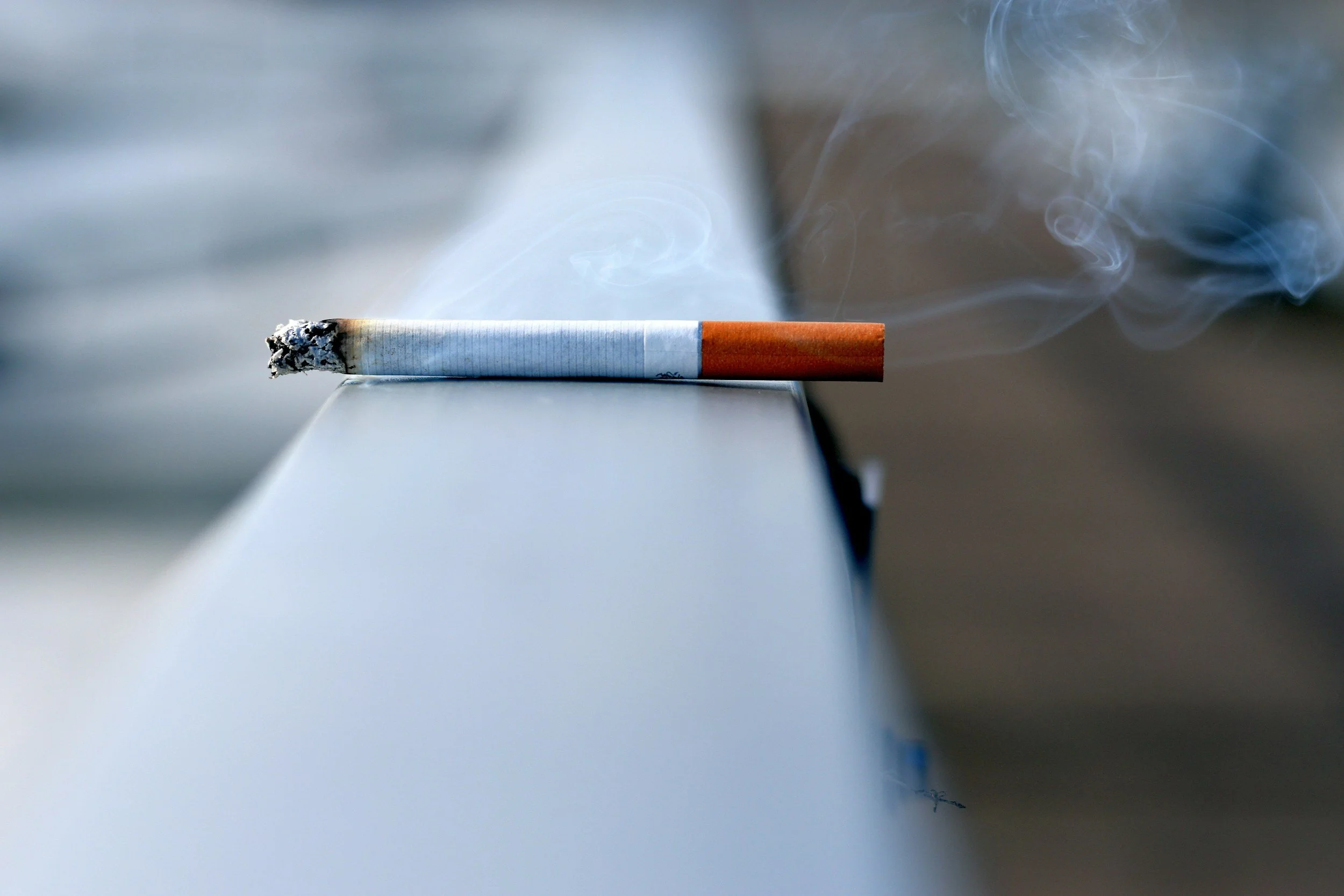
Cytisine for Smoking Cessation
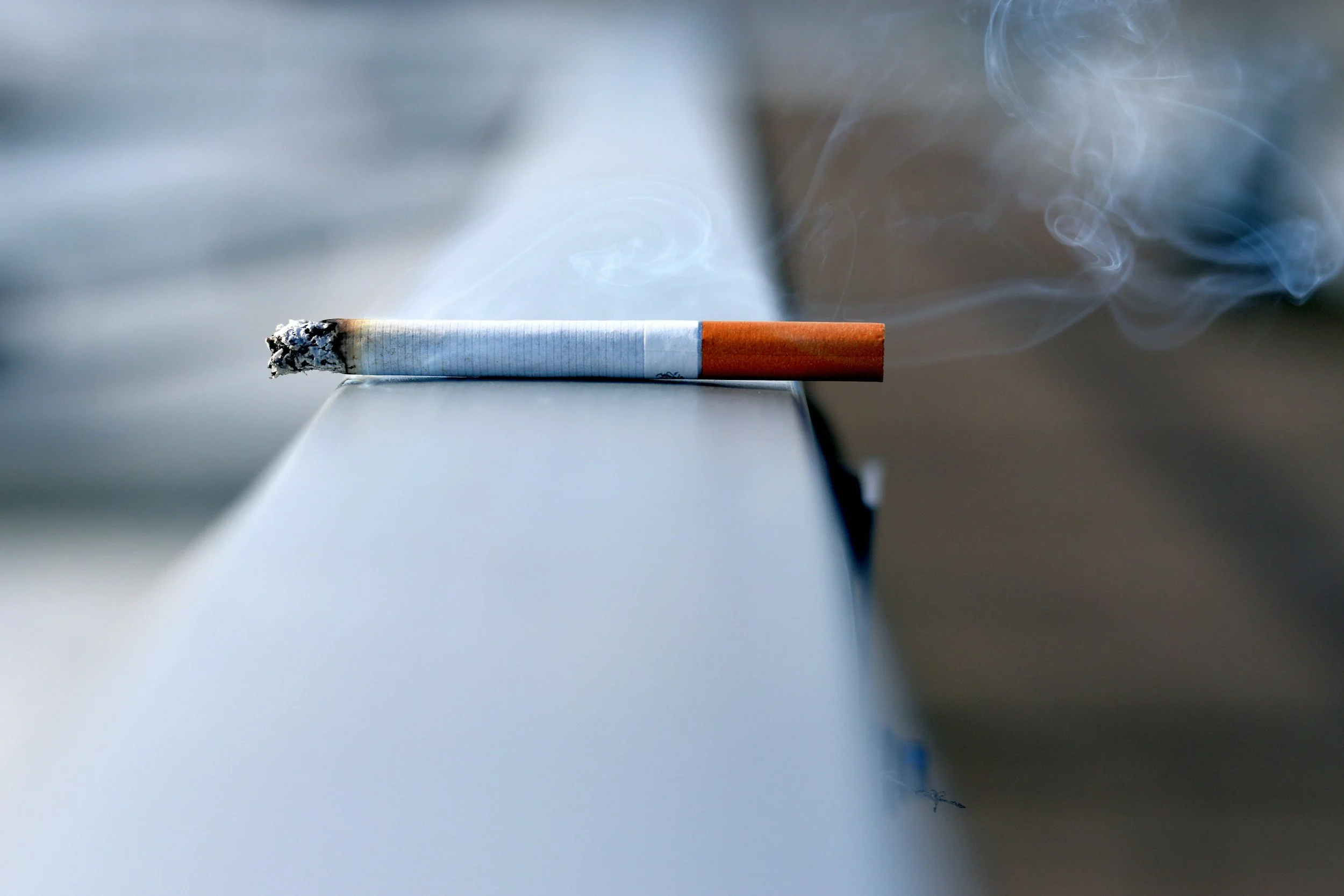
A 2025 study found that 3mg cytisnicline (cytisine) three times daily significantly improved smoking abstinence compared to placebo during the 12 week intervention. Cytisine is a natural plant alkaloid that binds selectively to α4β2 neuronal nicotinic acetylcholine receptors. Smoking abstinence was maintained for 20.5% of participants in the cytisine group vs 4.2% in the placebo group for up to 24 weeks (12 weeks after the cytisine was stopped). Cytisine may cause insomnia, nausea, headache or other side effects.
Rigotti NA, Benowitz NL, Prochaska JJ, Rubinstein M, Clarke A, Blumenstein B, Cain DF, Jacobs C. Cytisinicline for Smoking Cessation: The ORCA Phase 3 Replication Randomized Clinical Trial. JAMA Intern Med. 2025 Jun 1;185(6):648-655. doi: 10.1001/jamainternmed.2025.0628. PMID: 40257755; PMCID: PMC12012700.
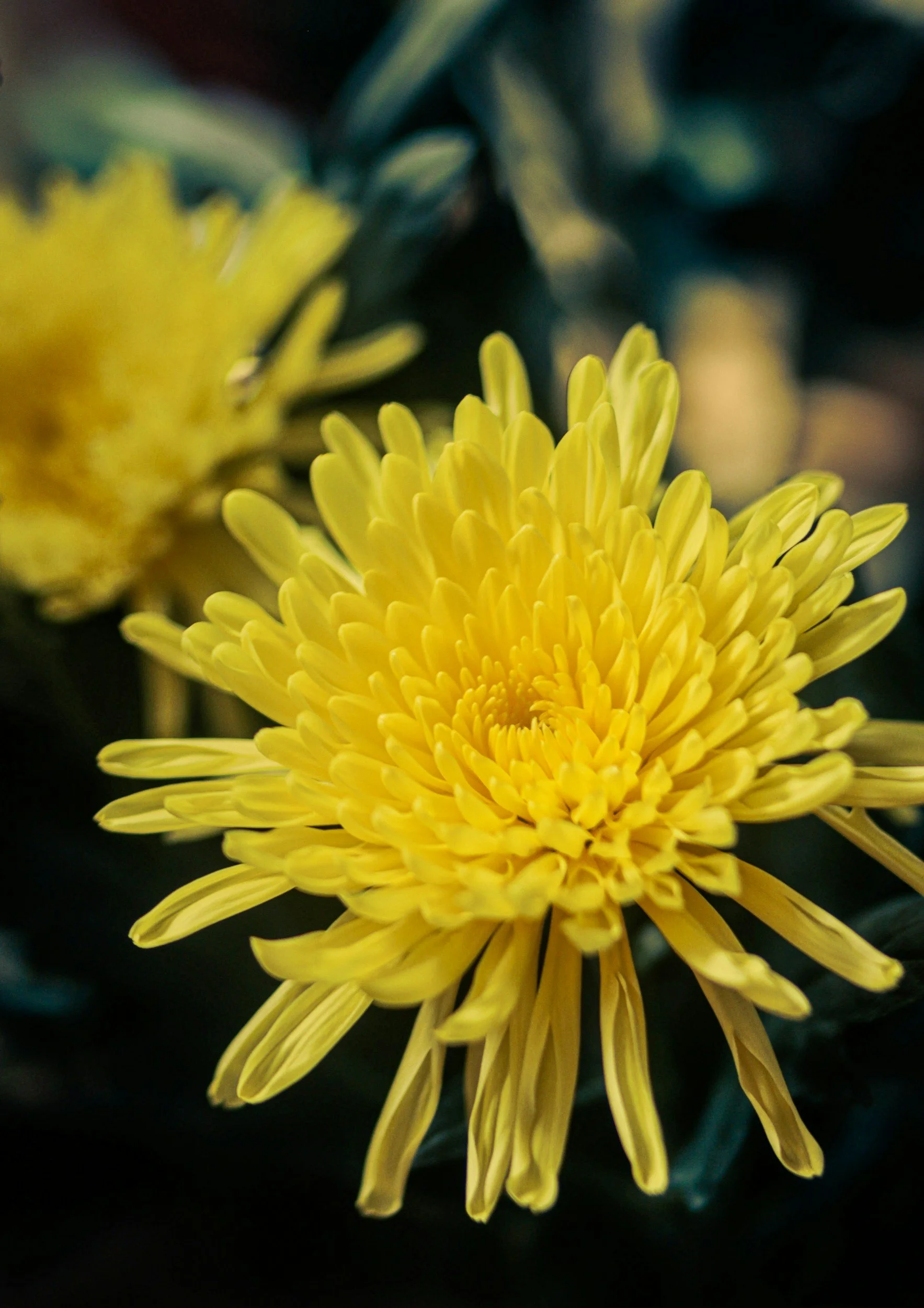
Chrysanthemum for Rosacea
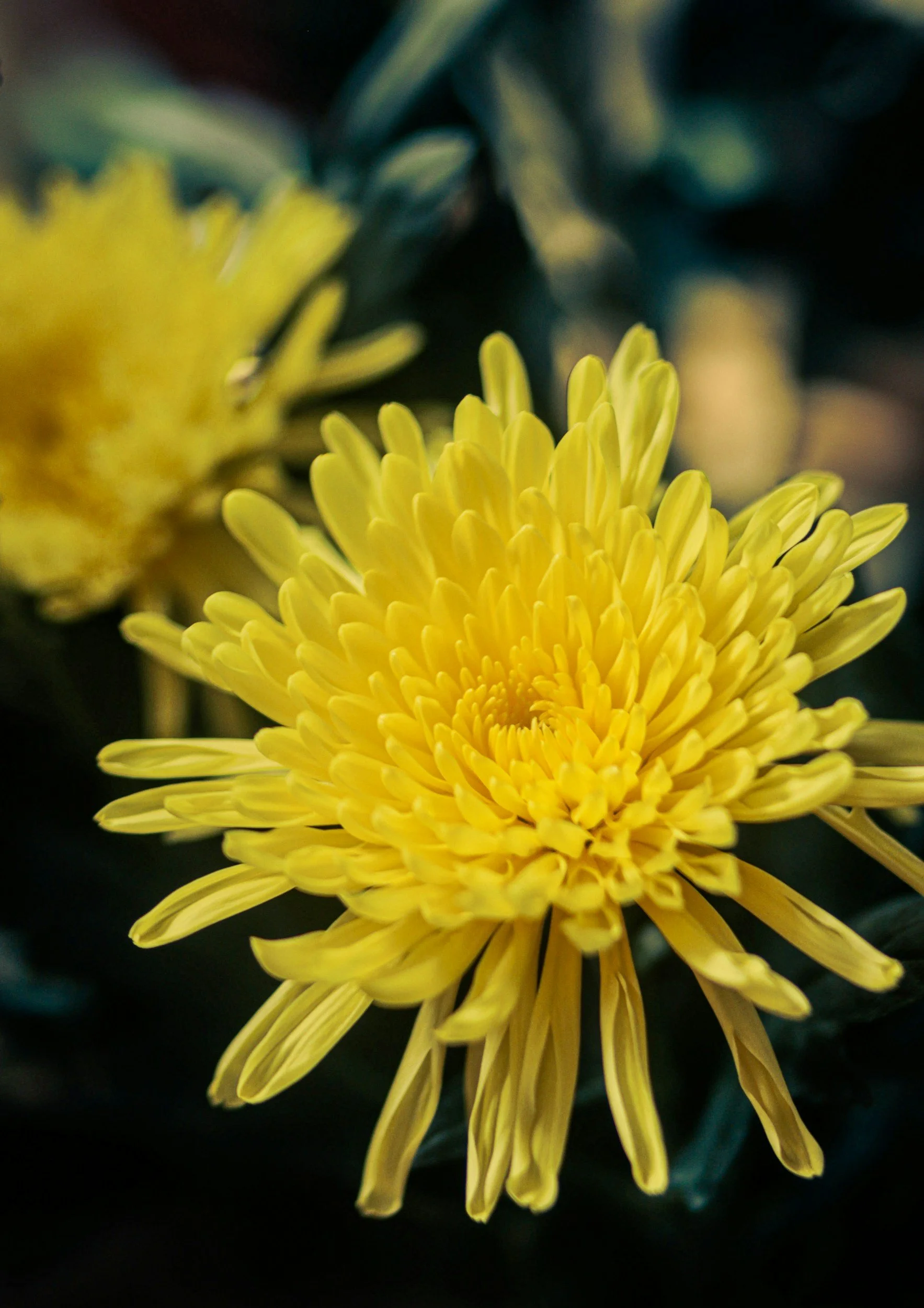
A 2005 study found that a cream with chrysanthemum extract significantly improved moderate rosacea compared to placebo over 12 weeks. The topical cream was applied twice per day. Chrysanthemum may help strengthen the walls of vasculature and is anti-inflammatory. Some people may be allergic to chrysanthemum. Side effects include itching and increased sun sensitivity among others.
Rigopoulos D, Kalogeromitros D, Gregoriou S, Pacouret JM, Koch C, Fisher N, Bachmann K, Brown M, Schwarz E, Camel E, Katsambas A. Randomized placebo-controlled trial of a flavonoid-rich plant extract-based cream in the treatment of rosacea. J Eur Acad Dermatol Venereol. 2005 Sep;19(5):564-8. doi: 10.1111/j.1468-3083.2005.01248.x. PMID: 16164709.
“Chrysanthemum | Memorial Sloan Kettering Cancer Center.” Mskcc.org, 6 June 2023, www.mskcc.org/cancer-care/integrative-medicine/herbs/chrysanthemum
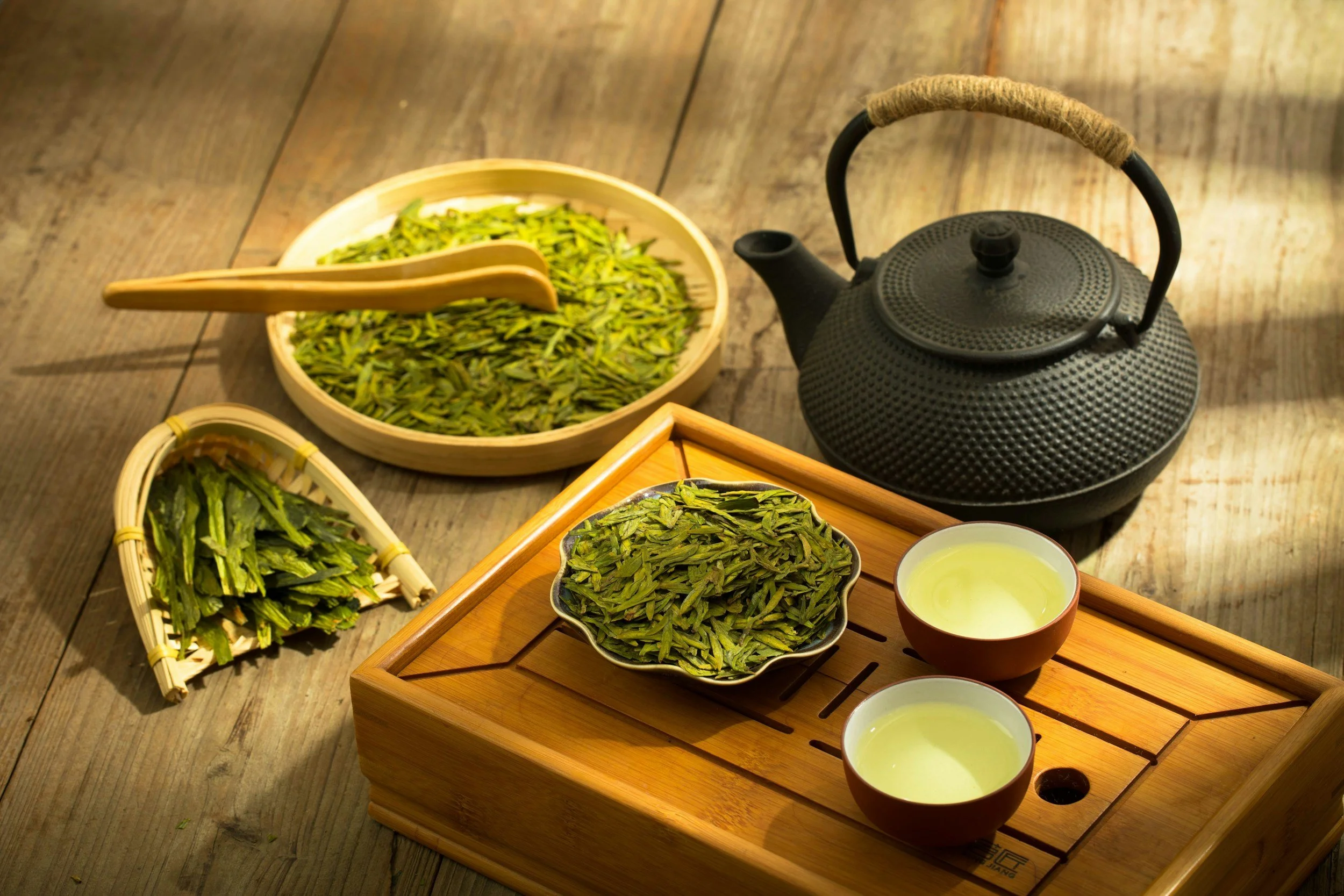
Topical Green Tea for Acne
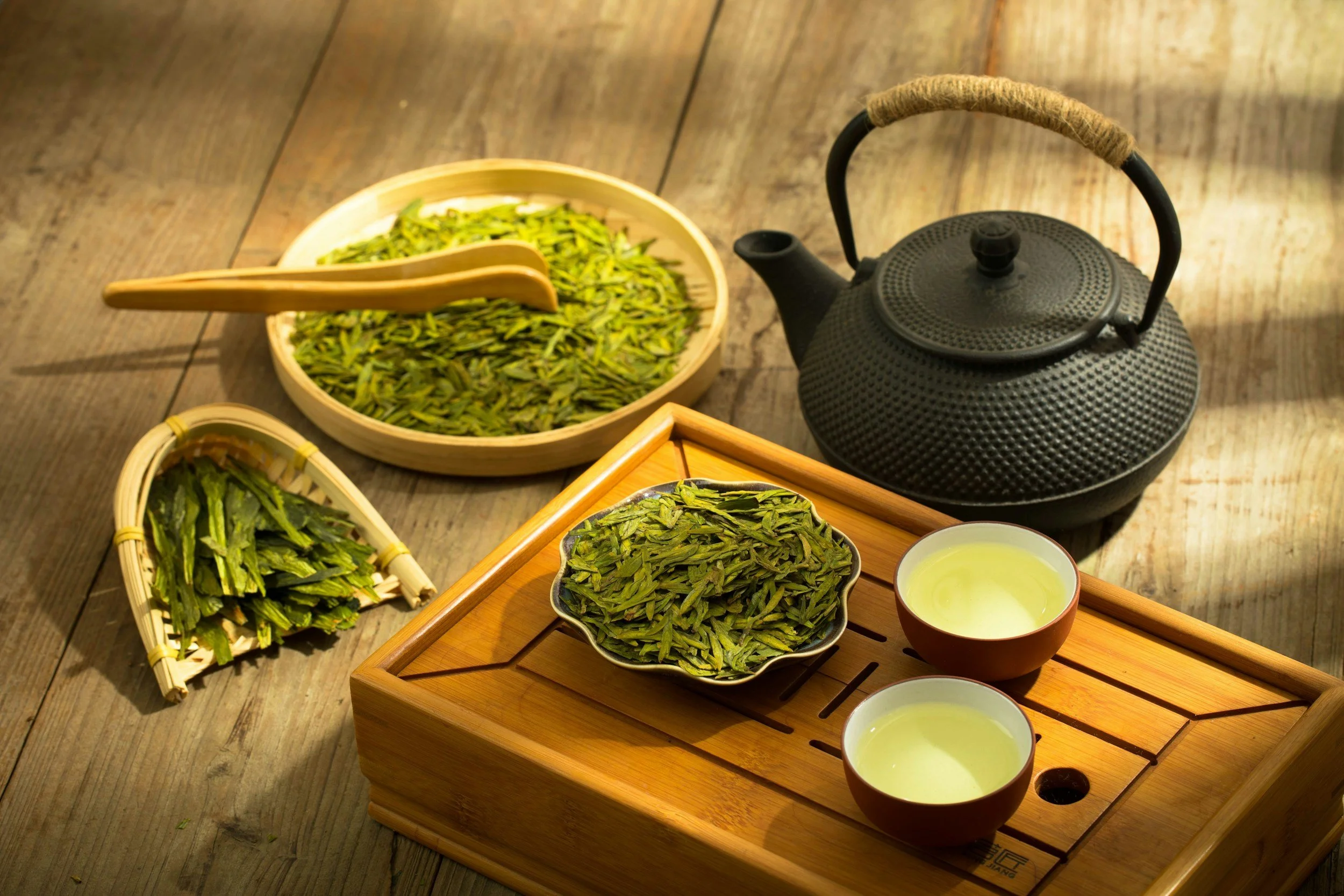
A study in 2009 found that a 2% topical lotion of green tea applied twice daily significantly improved acne over 6 weeks. There was no placebo or control group. Participants ranged in age from 15-36 years old. Green tea has anti-inflammatory and anti-bacterial effects. No serious side effects were noted. A few participants had mild itching after the green tea lotion was applied.
Elsaie ML, Abdelhamid MF, Elsaaiee LT, Emam HM. The efficacy of topical 2% green tea lotion in mild-to-moderate acne vulgaris. J Drugs Dermatol. 2009 Apr;8(4):358-64. PMID: 19363854.
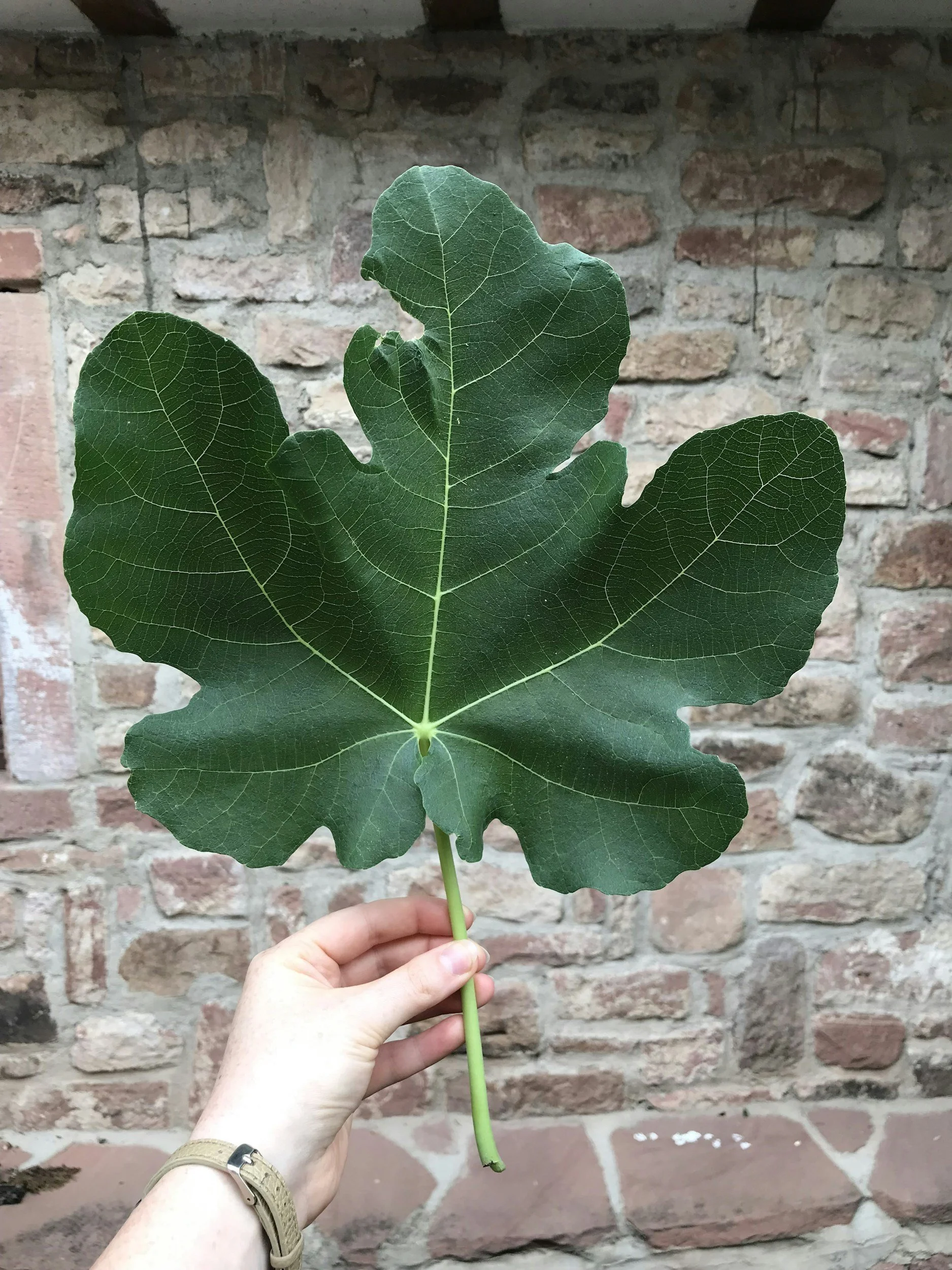
Fig Leaf for Eczema
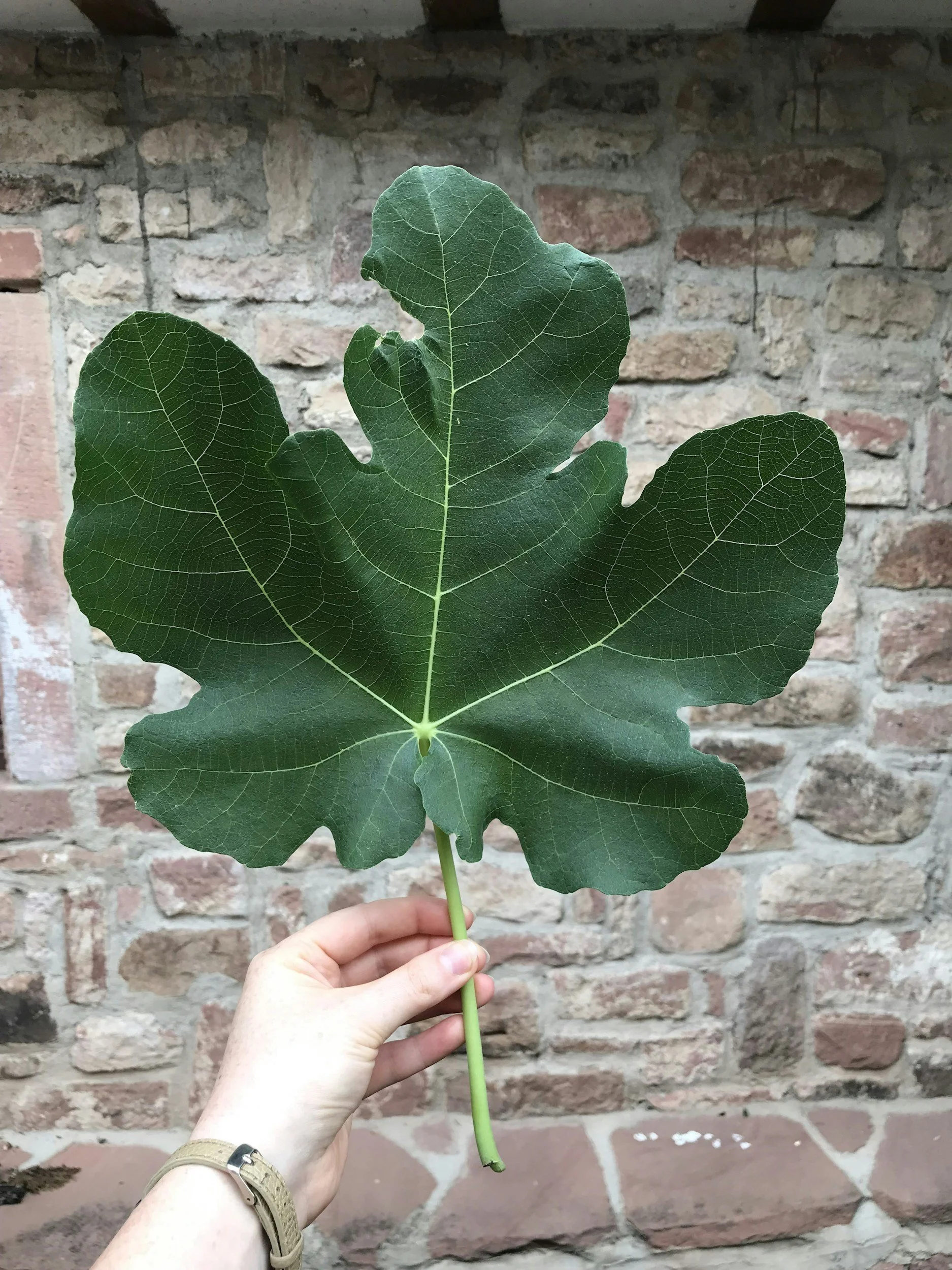
A 2022 study found that 500ml of fig leaf tea daily significantly improved eczema compared to placebo over 8 weeks. Fig leaf has been shown to inhibit the binding of IgE antibodies (immune molecules) to a specific receptor linked with asthma and possibly eczema. If the fig leaf variety contains furanocoumarin, it could interact with some medications. Fig leaf may increase sensitivity to sunlight or cause other side effects.
Abe T, Koyama Y, Nishimura K, Okiura A, Takahashi T. Efficacy and Safety of Fig (Ficus carica L.) Leaf Tea in Adults with Mild Atopic Dermatitis: A Double-Blind, Randomized, Placebo-Controlled Preliminary Trial. Nutrients. 2022 Oct 25;14(21):4470. doi: 10.3390/nu14214470. PMID: 36364740; PMCID: PMC9658579.
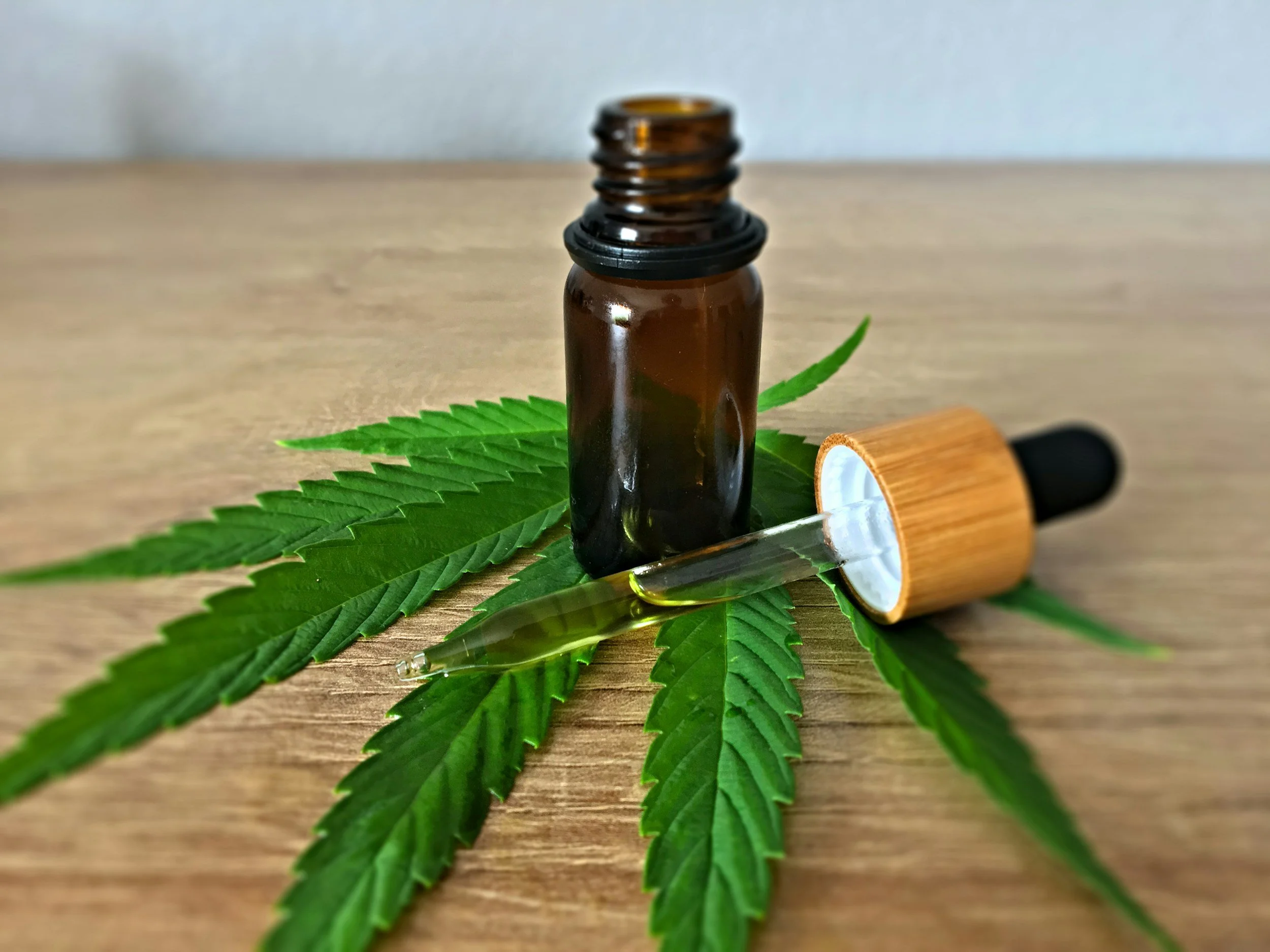
Cannabidiol for Seizures
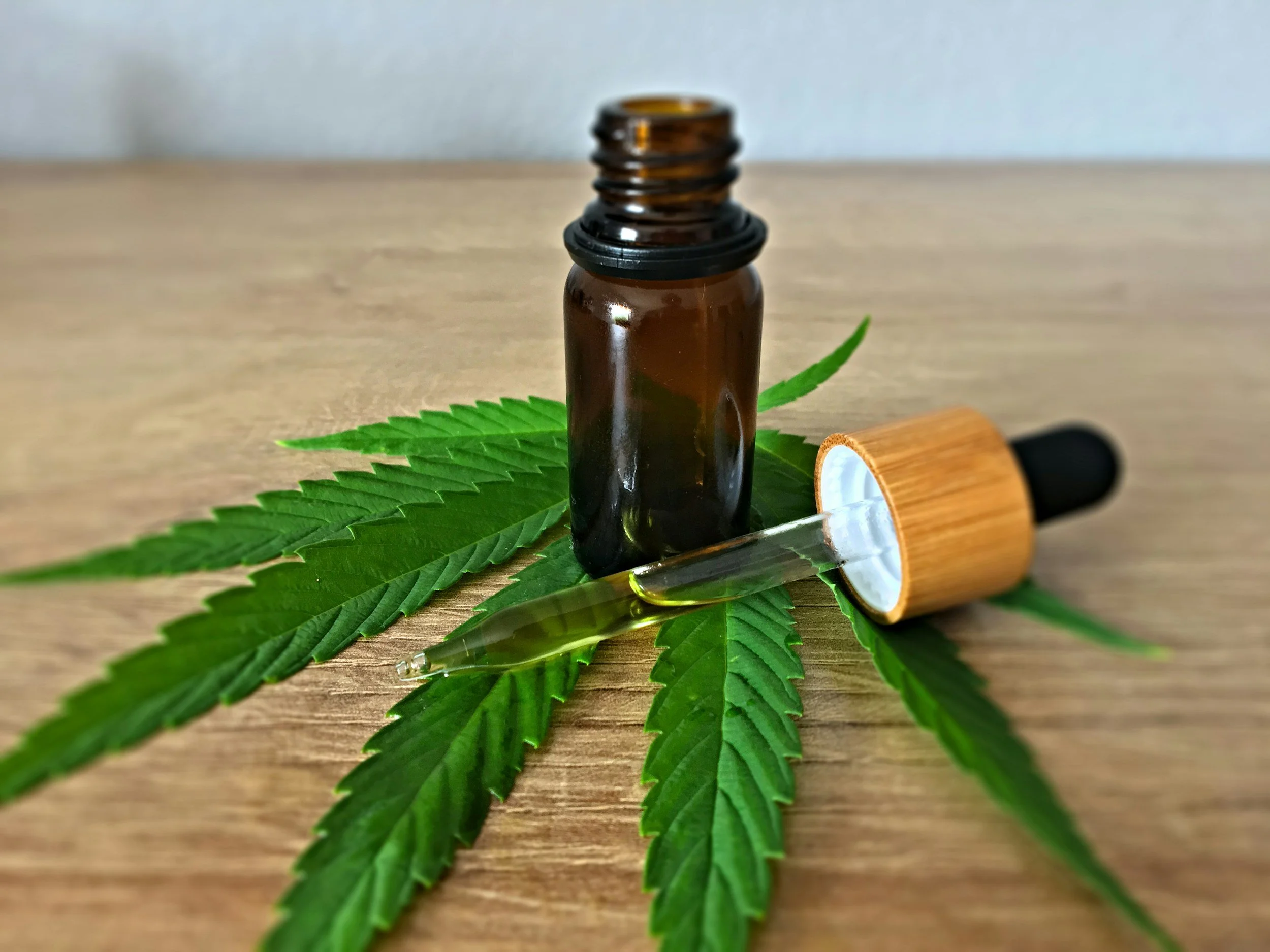
A 2017 study found that cannabidiol (CBD) at 20mg/kg per day in children was significantly more effective than placebo at reducing seizures over 14 weeks in children with a drug-resistant seizure disorder. Convulsive seizures decreased from a median of 12.4 to 5.9 per month in the CBD group vs 14.9 to 14.1 per month in the placebo group. There was no significant reduction in non-convulsive seizures. CBD may cause digestive or other side effects.
Devinsky O, Cross JH, Laux L, Marsh E, Miller I, Nabbout R, Scheffer IE, Thiele EA, Wright S; Cannabidiol in Dravet Syndrome Study Group. Trial of Cannabidiol for Drug-Resistant Seizures in the Dravet Syndrome. N Engl J Med. 2017 May 25;376(21):2011-2020. doi: 10.1056/NEJMoa1611618. PMID: 28538134.
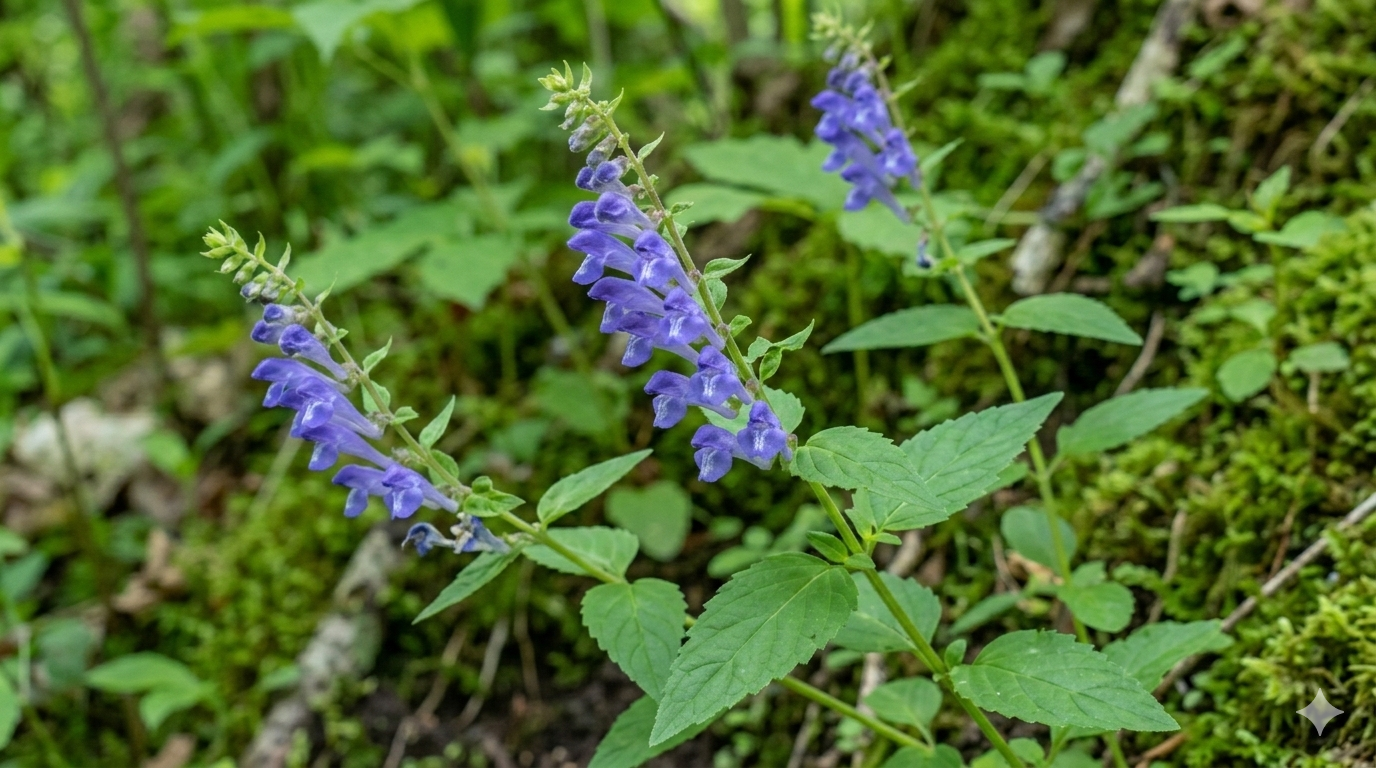
American Skullcap for Insomnia
A 2025 study found that 400mg of American skullcap daily significantly improved sleep compared to placebo over 56 days in people with primary insomnia. Flavonoids in skullcap such as baicalein have been shown to bind to GABA receptors in the brain. American skullcap may cause dizziness or other side effects.
Di Minno A, Morone MV, Buccato DG, De Lellis LF, Ullah H, Piccinocchi R, Cordara M, Larsen DS, Di Guglielmo A, Baldi A, Piccinocchi G, Xiao X, Sacchi R, Daglia M. Efficacy and Tolerability of a Chemically Characterized Scutellaria lateriflora L. Extract-Based Food Supplement for Sleep Management: A Single-Center, Controlled, Randomized, Crossover, Double-Blind Clinical Trial. Nutrients. 2025 Apr 28;17(9):1491. doi: 10.3390/nu17091491. PMID: 40362800; PMCID: PMC12073644.
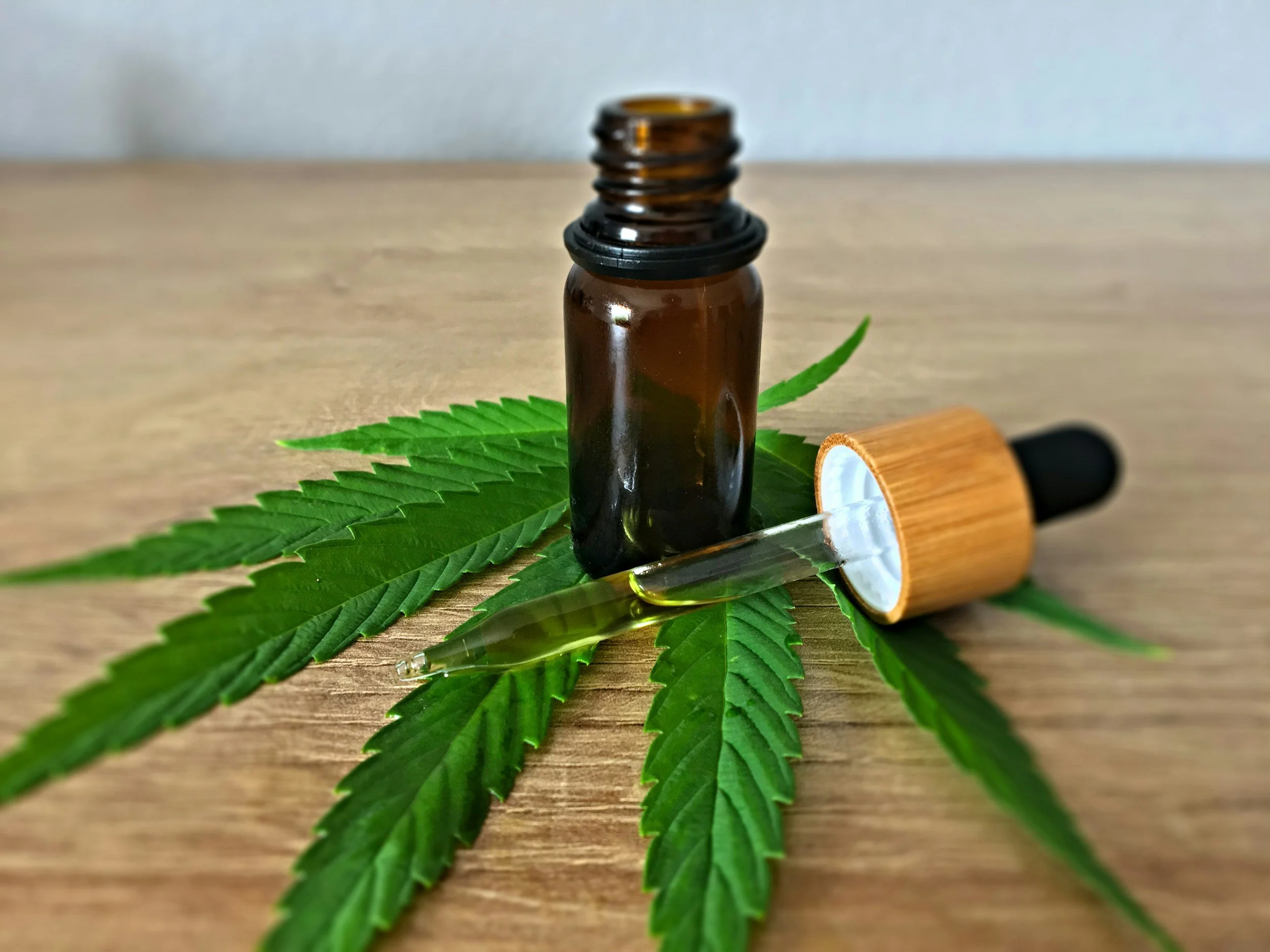
Cannabidiol for Anxiety
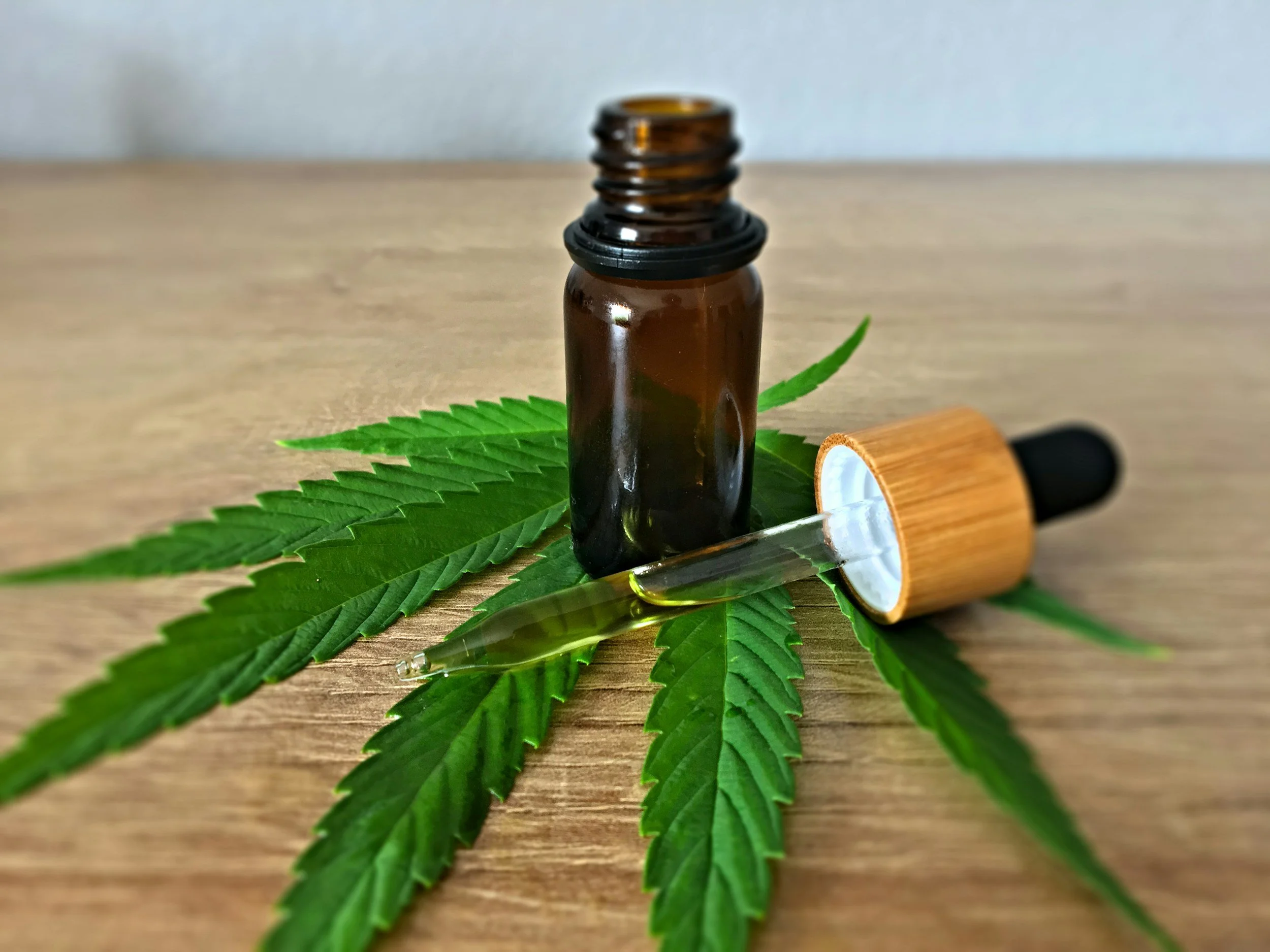
A 2011 study found that 600mg of cannabidiol (CBD) significantly decreased anxiety in people with social anxiety disorder compared to placebo. The CBD was given to participants 1.5 hours prior to public speaking. It is thought that CBD affects serotonin receptors. High doses of CBD may worsen anxiety while lower doses may reduce anxiety. CBD may cause digestive or other side effects.
Bergamaschi MM, Queiroz RH, Chagas MH, de Oliveira DC, De Martinis BS, Kapczinski F, Quevedo J, Roesler R, Schröder N, Nardi AE, Martín-Santos R, Hallak JE, Zuardi AW, Crippa JA. Cannabidiol reduces the anxiety induced by simulated public speaking in treatment-naïve social phobia patients. Neuropsychopharmacology. 2011 May;36(6):1219-26. doi: 10.1038/npp.2011.6. Epub 2011 Feb 9. PMID: 21307846; PMCID: PMC3079847.
Quercetin May Lower Uric Acid Levels
A 2016 study found that 500mg of quercetin daily, a flavonoid commonly found in fruits and vegetables, significantly lowered blood uric acid levels (~ 0.4mg/dL) compared to placebo over 4 weeks. Quercetin has been shown to inhibit the enzyme xanthine oxidoreductase, which produces uric acid. It is unclear if this supplement may help people with gout as this disease is multifactorial and more clinical trials need to be done. Quercetin may interact with some medications. Long-term use or high dose intake of quercetin may cause kidney impairment or other side effects.
Shi Y, Williamson G. Quercetin lowers plasma uric acid in pre-hyperuricaemic males: a randomised, double-blinded, placebo-controlled, cross-over trial. Br J Nutr. 2016 Mar 14;115(5):800-6. doi: 10.1017/S0007114515005310. Epub 2016 Jan 20. PMID: 26785820.
Di Pierro F, Rabbani F, Tareen M, Nigar R, Khan A, Zerbinati N, Tanda ML, Cazzaniga M, Bertuccioli A, Falasca P, Damiani G, Villanova N. Potential pharmacological effect of Quercetin Phytosome™ in the management of hyperuricemia: results from real-life clinical studies. Front Nutr. 2025 Feb 7;12:1519459. doi: 10.3389/fnut.2025.1519459. PMID: 39990611; PMCID: PMC11844220.
Andres S, Pevny S, Ziegenhagen R, Bakhiya N, Schäfer B, Hirsch-Ernst KI, Lampen A. Safety Aspects of the Use of Quercetin as a Dietary Supplement. Mol Nutr Food Res. 2018 Jan;62(1). doi: 10.1002/mnfr.201700447. Epub 2017 Dec 19. PMID: 29127724.
Frankincense for Asthma
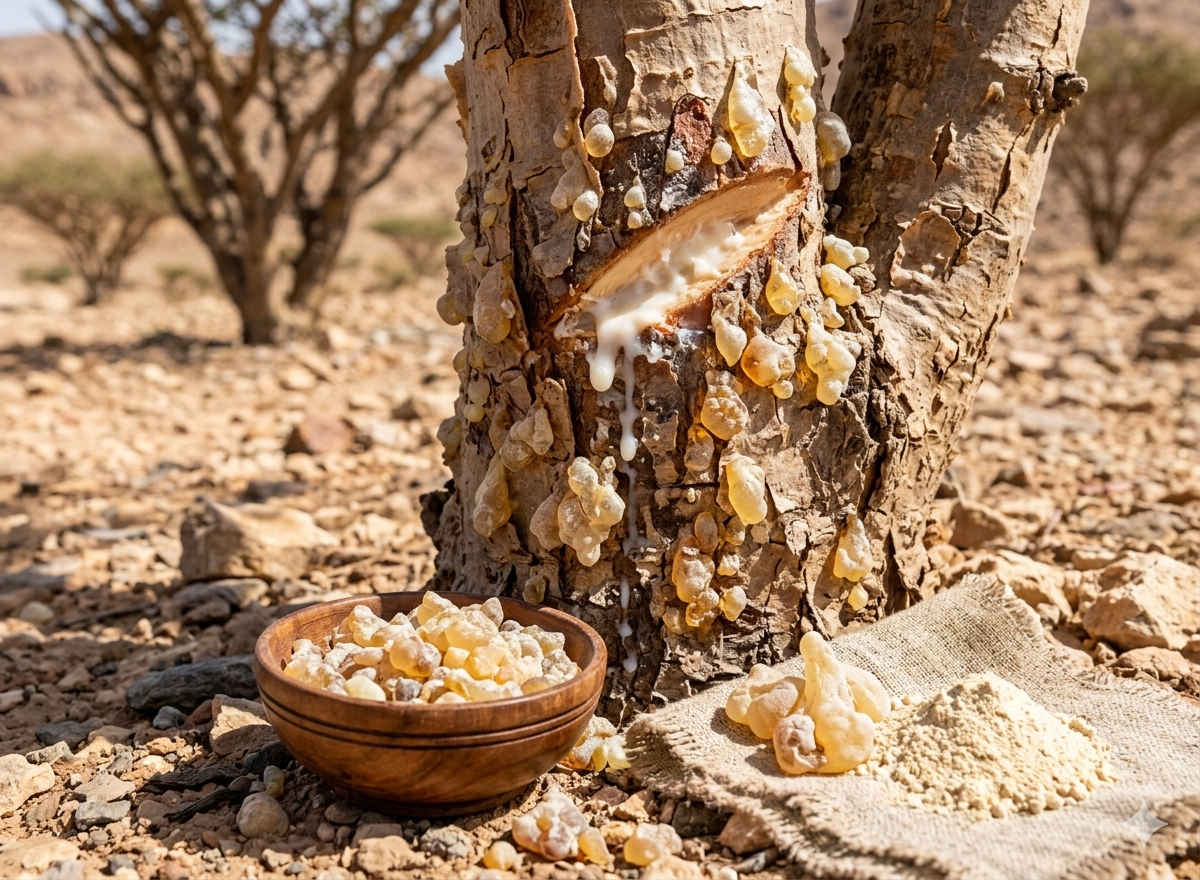
A 1998 study found that 300mg of frankincense resin three times daily significantly improved asthma symptoms compared to 300mg of lactose three times daily over 6 weeks. Lung function parameters and inflammatory blood markers improved in 70% of people taking the frankincense resin vs 27% of people taking lactose. Frankincense can cause gastrointestinal symptoms among other side effects. Prolonged use at high doses can lead to rare but serious electrolyte imbalances.
Gupta I, Gupta V, Parihar A, Gupta S, Lüdtke R, Safayhi H, Ammon HP. Effects of Boswellia serrata gum resin in patients with bronchial asthma: results of a double-blind, placebo-controlled, 6-week clinical study. Eur J Med Res. 1998 Nov 17;3(11):511-4. PMID: 9810030.
Finsterer J. Boswellia serrata intoxication manifesting with syndrome of inappropriate antidiuretic hormone secretion, hyponatremia, seizure, and rhabdomyolysis. Crit Care Sci. 2024 Jun 24;36:e20240049en. doi: 10.62675/2965-2774.20240049-en. PMID: 38922237; PMCID: PMC11152439.
Spirulina for Allergies
A 2008 study found that oral intake of 2g spirulina daily, a blue-green algae, was significantly more effective than placebo at improving allergy symptoms over 6 months. Another study in 2020 found that 2g of spirulina taken daily was more effective than 10mg of cetirizine daily over 2 months. Spirulina is thought to have anti-inflammatory effects. Spirulina may cause digestive or other side effects.
Cingi C, Conk-Dalay M, Cakli H, Bal C. The effects of spirulina on allergic rhinitis. Eur Arch Otorhinolaryngol. 2008 Oct;265(10):1219-23. doi: 10.1007/s00405-008-0642-8. Epub 2008 Mar 15. PMID: 18343939.
Nourollahian M, Rasoulian B, Gafari A, Anoushiravani M, Jabari F, Bakhshaee M. Clinical comparison of the efficacy of spirulina platensis and cetirizine for treatment of allergic rhinitis. Acta Otorhinolaryngol Ital. 2020 Jun;40(3):224-229. doi: 10.14639/0392-100X-N0139. PMID: 32773785; PMCID: PMC7416373.

Eucalyptus for Bad Breath

A 2010 study found that a chewing gum containing eucalyptus significantly decreased bad breath, volatile sulfur compounds (a common cause of bad breath), and decreased tongue coating compared to placebo over 12 weeks. Eucalyptus is thought to reduce bacteria that produce volatile sulfur compounds in the mouth.
Tanaka M, Toe M, Nagata H, Ojima M, Kuboniwa M, Shimizu K, Osawa K, Shizukuishi S. Effect of eucalyptus-extract chewing gum on oral malodor: a double-masked, randomized trial. J Periodontol. 2010 Nov;81(11):1564-71. doi: 10.1902/jop.2010.100249. Epub 2010 Jul 1. PMID: 20594055.
L-Theanine for Sleep Quality
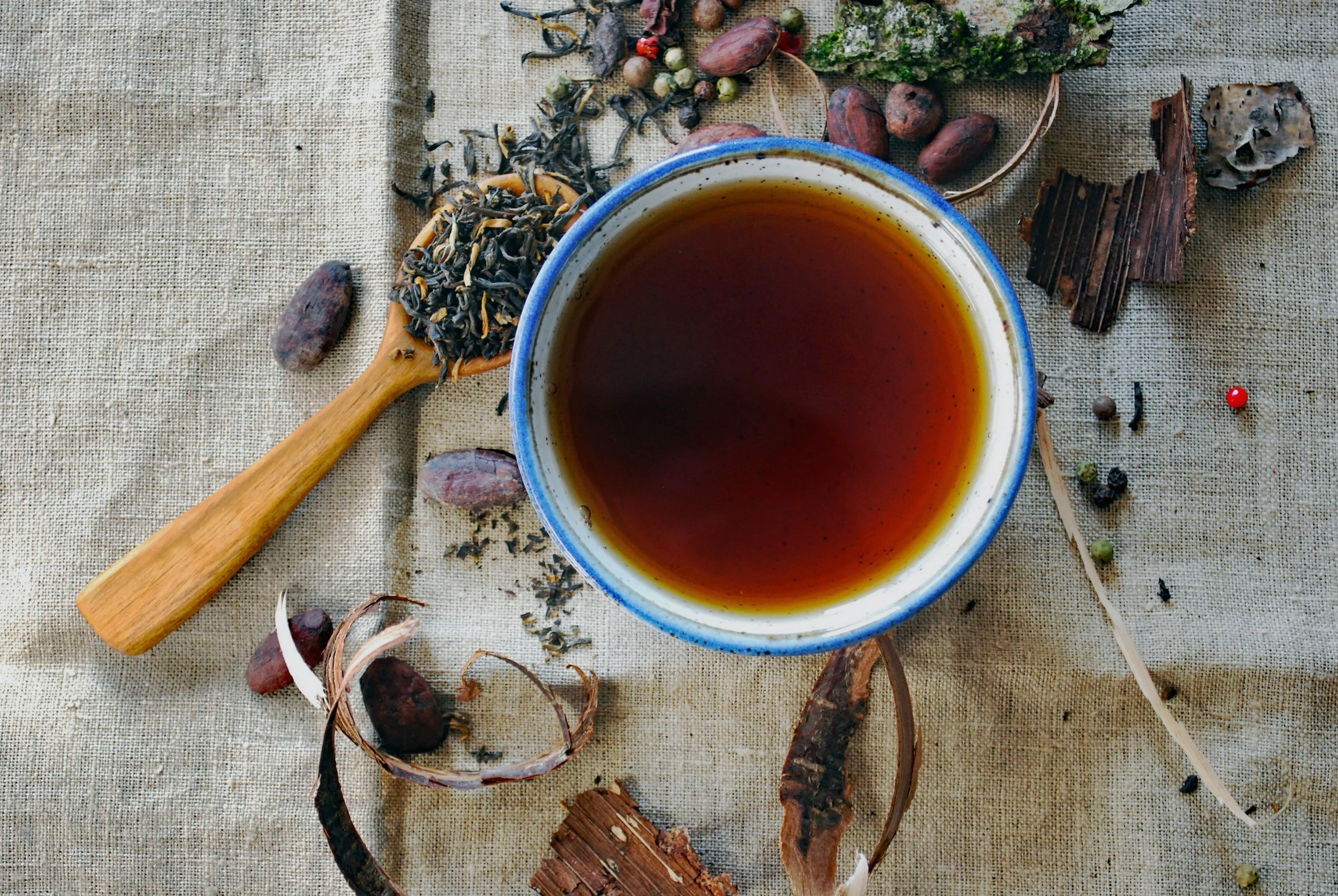
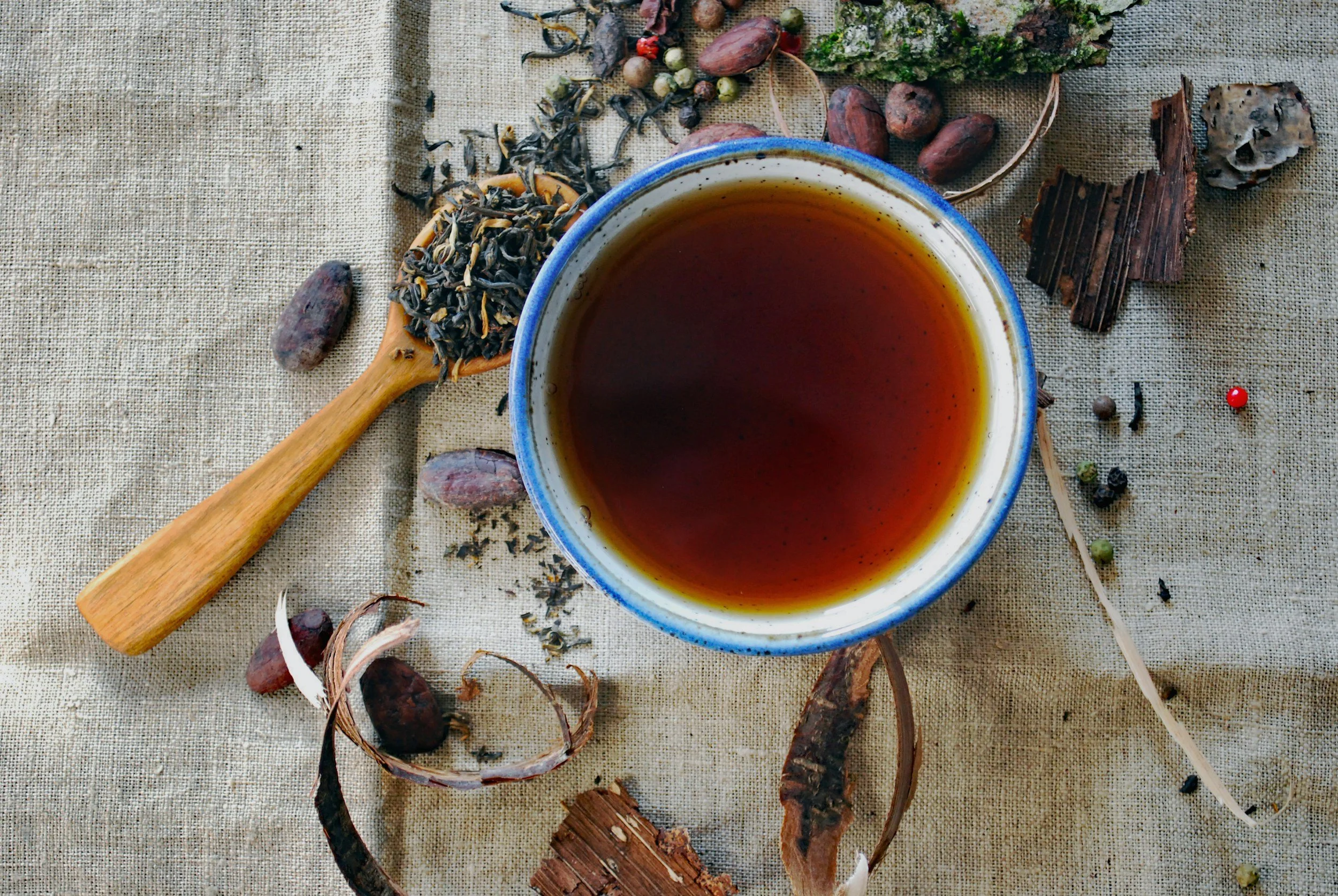
A 2025 review analyzed multiple trials on L-theanine, an amino acid found in tea. It found that L-theanine improved sleep quality. L-theanine is thought to act as a competitor to glutamate, the brain’s main excitatory neurotransmitter, and it may increase GABA, the brain’s main inhibitory neurotransmitter. However, L-theanine may not necessarily improve anxiety. L-theanine may cause digestive or other side effects.
Cotter J, Caddick CE, Harper JL, Ebajemito JK. Examining the effect of L-theanine on sleep: a systematic review of dietary supplementation trials. Nutr Neurosci. 2026 Feb;29(2):224-238. doi: 10.1080/1028415X.2025.2556925. Epub 2025 Nov 1. PMID: 41176609.
Sarris J, Byrne GJ, Cribb L, Oliver G, Murphy J, Macdonald P, Nazareth S, Karamacoska D, Galea S, Short A, Ee C, Birling Y, Menon R, Ng CH. L-theanine in the adjunctive treatment of generalized anxiety disorder: A double-blind, randomised, placebo-controlled trial. J Psychiatr Res. 2019 Mar;110:31-37. doi: 10.1016/j.jpsychires.2018.12.014. Epub 2018 Dec 8. PMID: 30580081.
Shiitake Mushroom for Gastric Cancer
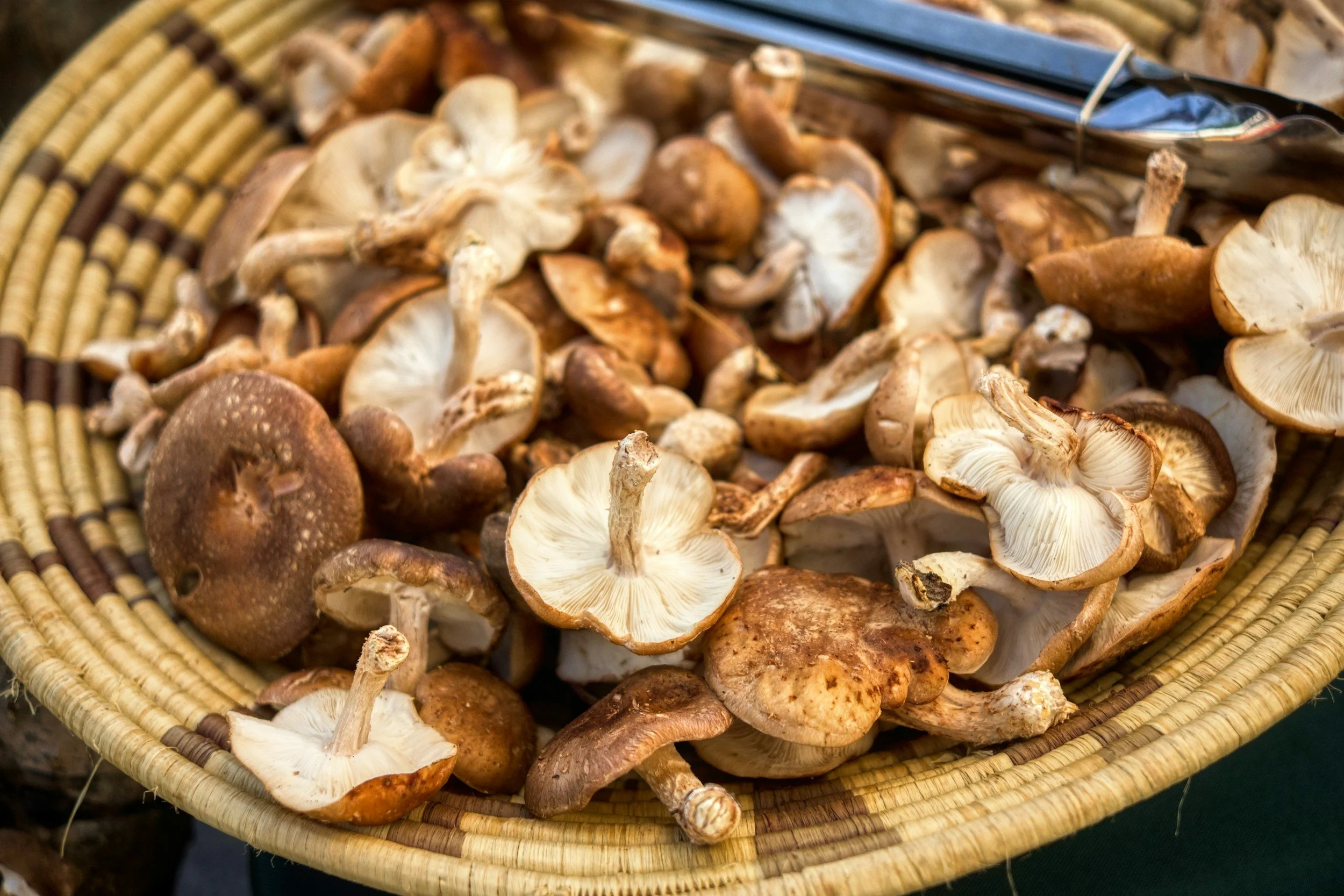
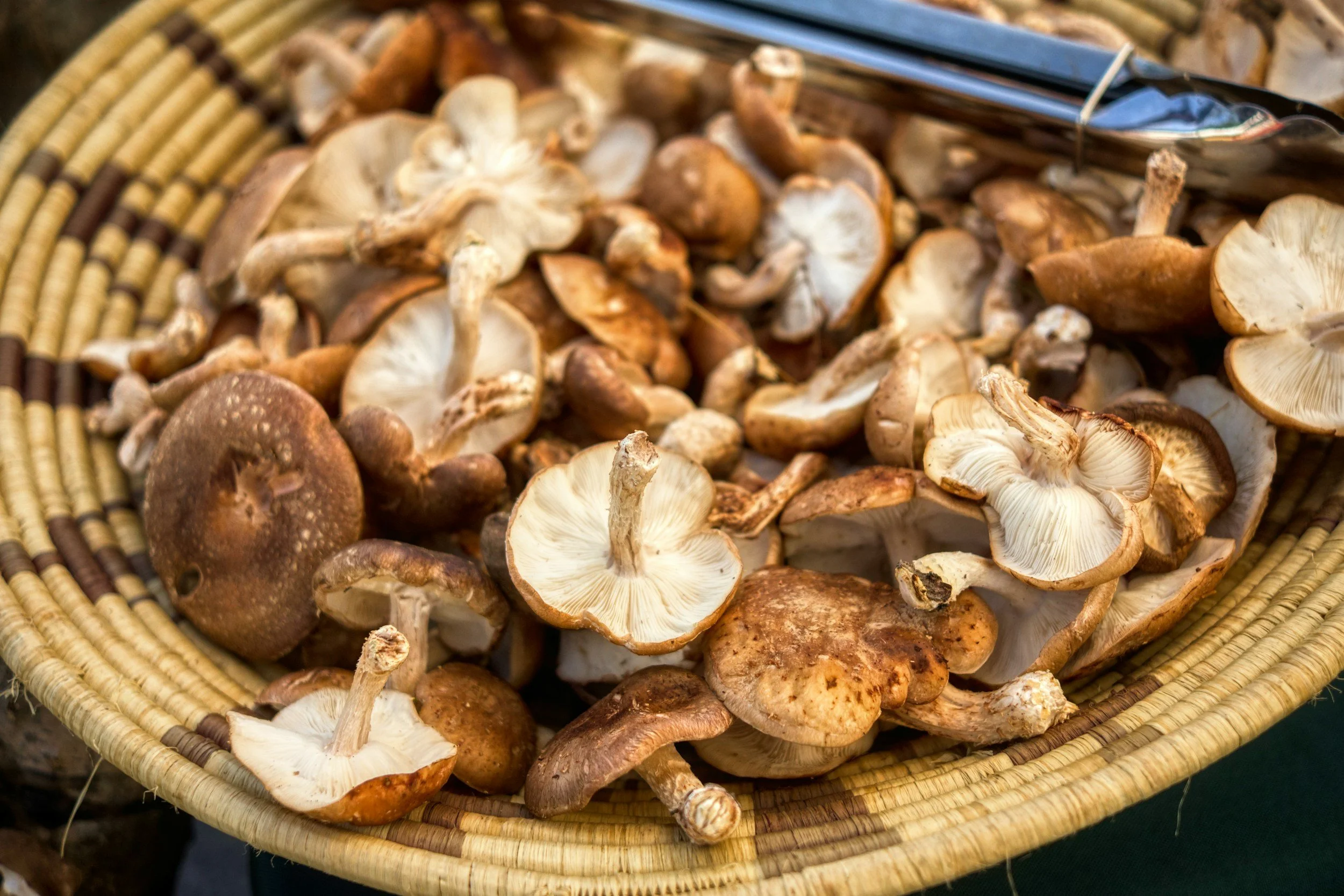
A 2009 meta-analysis found that lentinan, a compound in shiitake mushrooms, significantly prolonged survival in people with gastric cancer when added to standard treatment. There is evidence lentinan may work by enhancing the immune system. Lentinan may have an effect on lung cancer as well but it is unclear if the prolonged survival lasts beyond 1 year. Another study found that lentinan may also improve chemotherapy-induced taste disorders. Shiitake mushrooms may cause a rash or other side effects.
Oba K, Kobayashi M, Matsui T, Kodera Y, Sakamoto J. Individual patient based meta-analysis of lentinan for unresectable/recurrent gastric cancer. Anticancer Res. 2009 Jul;29(7):2739-45. PMID: 19596954.
Wang Y, Wang H, Chai K, Guo S, Zhai Y, Shi R, Zhang F, Huang J, Jin Z, Gao Y, Tao X, Yang S, Li J, Zhou J, Qiao C, Stalin A, Wu J. Systematic review and meta-analysis on the efficacy and safety of Injectable Lentinan combined with chemotherapy in the treatment of gastric cancer. Phytomedicine. 2024 Jan;123:155242. doi: 10.1016/j.phymed.2023.155242. Epub 2023 Dec 9. PMID: 38100922.
Wang H, Cai Y, Zheng Y, Bai Q, Xie D, Yu J. Efficacy of biological response modifier lentinan with chemotherapy for advanced cancer: a meta-analysis. Cancer Med. 2017 Oct;6(10):2222-2233. doi: 10.1002/cam4.1156. Epub 2017 Sep 21. PMID: 28940986; PMCID: PMC5633561.
Yanagimoto H, Hirooka S, Yamamoto T, Yamaki S, Sekimoto M. Efficacy of Lentinula edodes MyceliaExtract on Chemotherapy-Related Tasted Disorders in Pancreatic Cancer Patients. Nutr Cancer. 2023;75(1):236-246. doi: 10.1080/01635581.2022.2107226. Epub 2022 Aug 11. PMID: 35950537.
“Lentinan | Memorial Sloan Kettering Cancer Center.” Www.mskcc.org, 20 Oct. 2023, www.mskcc.org/cancer-care/integrative-medicine/herbs/lentinan.
Lion’s Mane Mushroom for Cognition
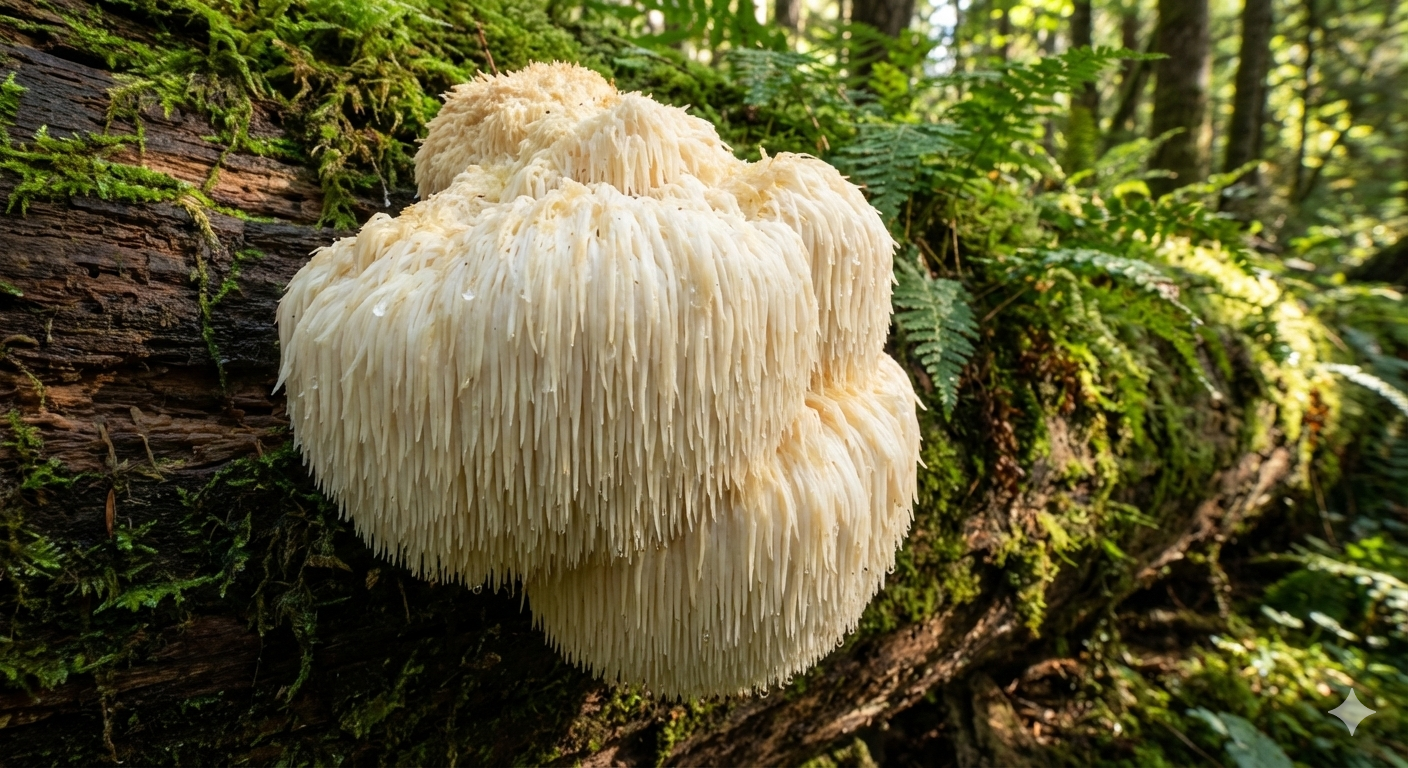
A 2009 study found that 1000mg of Lion’s mane mushroom taken 3x daily significantly improved cognitive scores in adults 50-80 years old compared to placebo over 16 weeks. This effect may not last or may diminish after stopping Lion’s mane mushroom. Compounds in Lion’s mane mushroom have been shown to stimulate nerve growth and repair. No adverse effects were seen but lion’s mane mushroom may cause digestive or other side effects.
Mori K, Inatomi S, Ouchi K, Azumi Y, Tuchida T. Improving effects of the mushroom Yamabushitake (Hericium erinaceus) on mild cognitive impairment: a double-blind placebo-controlled clinical trial. Phytother Res. 2009 Mar;23(3):367-72. doi: 10.1002/ptr.2634. PMID: 18844328.
Contato AG, Conte-Junior CA. Lion's Mane Mushroom (Hericium erinaceus): A Neuroprotective Fungus with Antioxidant, Anti-Inflammatory, and Antimicrobial Potential-A Narrative Review. Nutrients. 2025 Apr 9;17(8):1307. doi: 10.3390/nu17081307. PMID: 40284172; PMCID: PMC12030463.
Soybean Isoflavones for Menopausal Hot Flashes
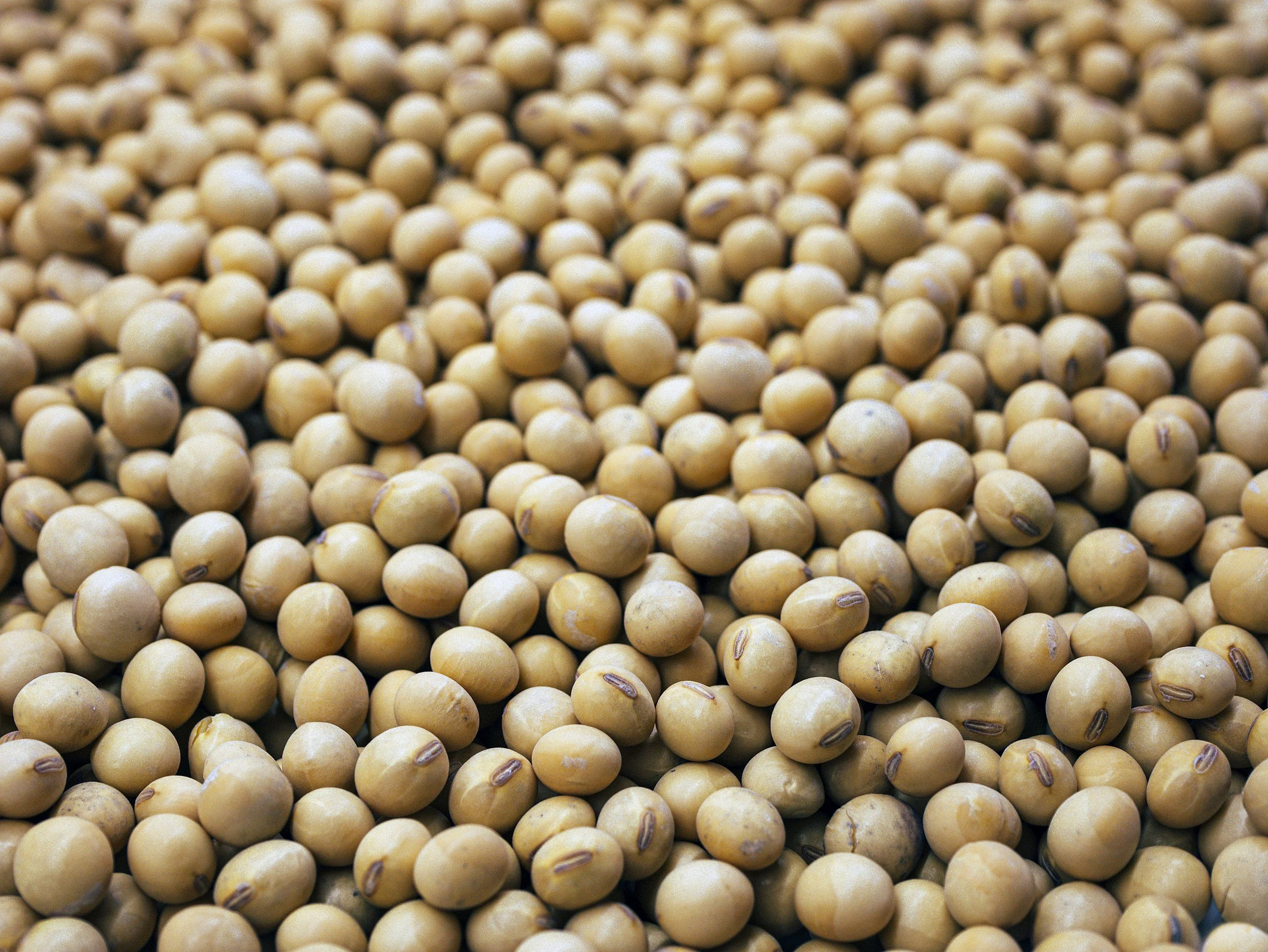
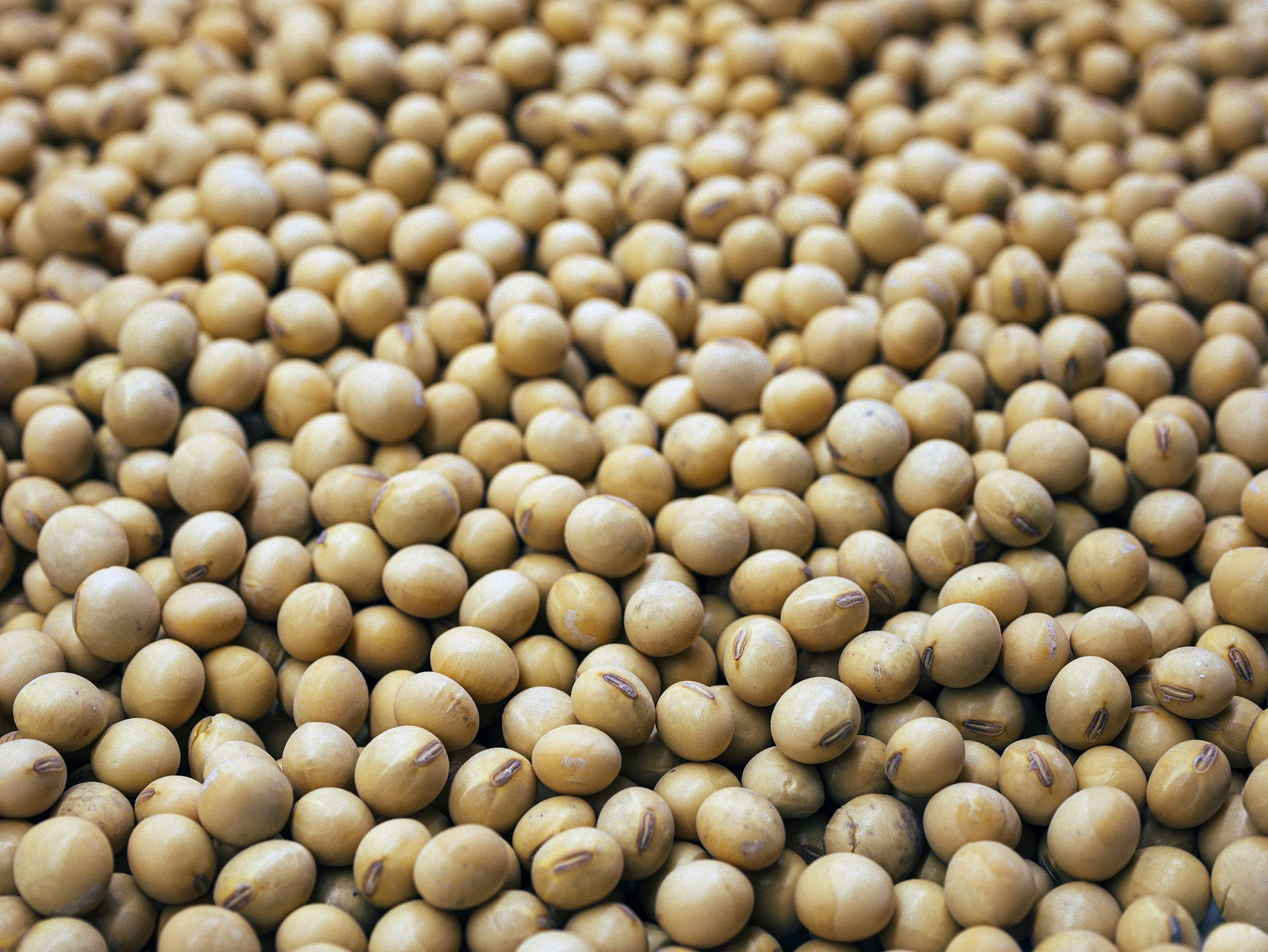
A 2012 review and meta-analysis found that soy isoflavones (median 54mg) were significantly more effective than placebo at reducing frequency and severity of menopausal hot flashes. Almost 20 trials were analyzed with a duration of up to 1 year. Supplements containing more than 18.8mg genistein, an isoflavone, were more effective. Soy isoflavones affect estrogen receptors. Soy and soy isoflavones may actually reduce overall cancer risk and risk of recurrence for breast cancer.
Taku K, Melby MK, Kronenberg F, Kurzer MS, Messina M. Extracted or synthesized soybean isoflavones reduce menopausal hot flash frequency and severity: systematic review and meta-analysis of randomized controlled trials. Menopause. 2012 Jul;19(7):776-90. doi: 10.1097/gme.0b013e3182410159. PMID: 22433977.
Wang C, Ding K, Xie X, Zhou J, Liu P, Wang S, Fang T, Xu G, Tang C, Hong H. Soy Product Consumption and the Risk of Cancer: A Systematic Review and Meta-Analysis of Observational Studies. Nutrients. 2024 Mar 28;16(7):986. doi: 10.3390/nu16070986. PMID: 38613019; PMCID: PMC11013307.
van Die MD, Bone KM, Visvanathan K, Kyrø C, Aune D, Ee C, Paller CJ. Phytonutrients and outcomes following breast cancer: a systematic review and meta-analysis of observational studies. JNCI Cancer Spectr. 2024 Jan 4;8(1):pkad104. doi: 10.1093/jncics/pkad104. PMID: 38070485; PMCID: PMC10868383.
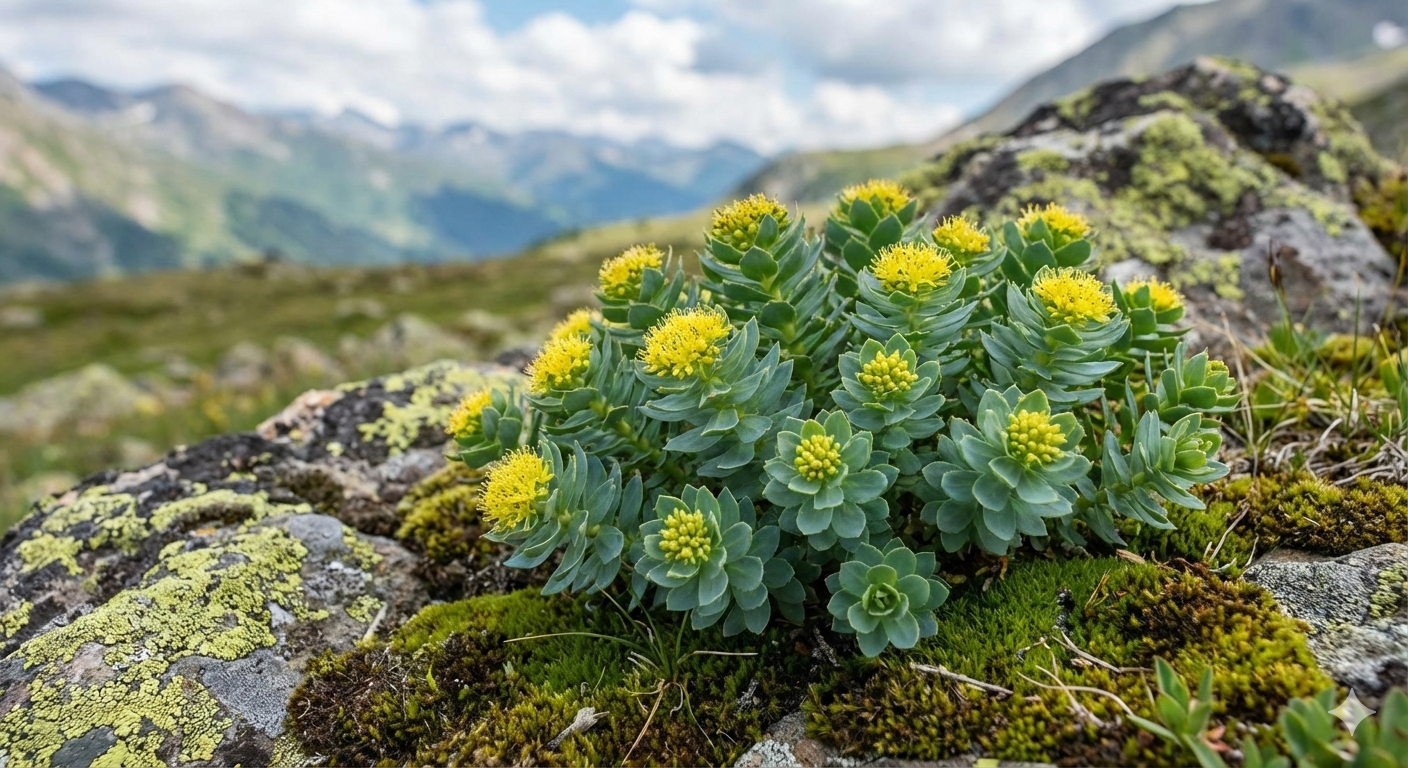
Rhodiola for Stress-Related Fatigue
A 2009 study found that an extract from the roots of Rhodiola Rosea significantly improved symptoms of fatigue compared to placebo over 28 days. In this trial, 576mg of the extract was taken four times daily. Morning salivary cortisol also improved in the group taking Rhodiola. Rhodiola may cause dizziness, headache, insomnia or other side effects.
Olsson EM, von Schéele B, Panossian AG. A randomised, double-blind, placebo-controlled, parallel-group study of the standardised extract shr-5 of the roots of Rhodiola rosea in the treatment of subjects with stress-related fatigue. Planta Med. 2009 Feb;75(2):105-12. doi: 10.1055/s-0028-1088346. Epub 2008 Nov 18. PMID: 19016404.
“Rhodiola.” NCCIH, Oct. 2020, www.nccih.nih.gov/health/rhodiola.